.png?imageMogr2/format/webp)
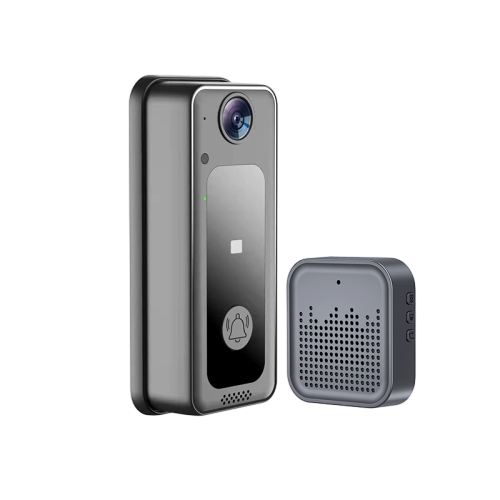
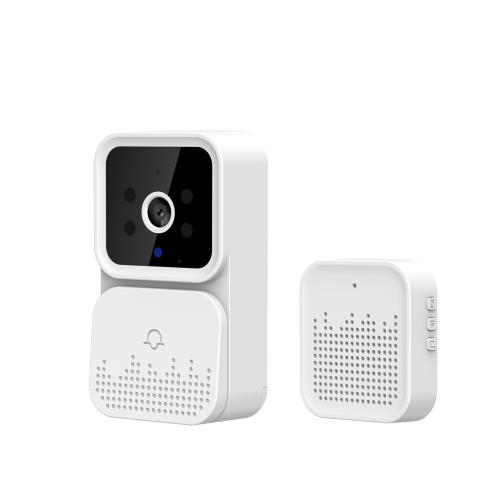
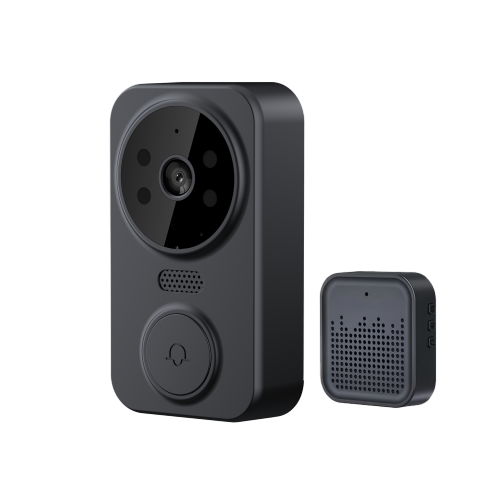







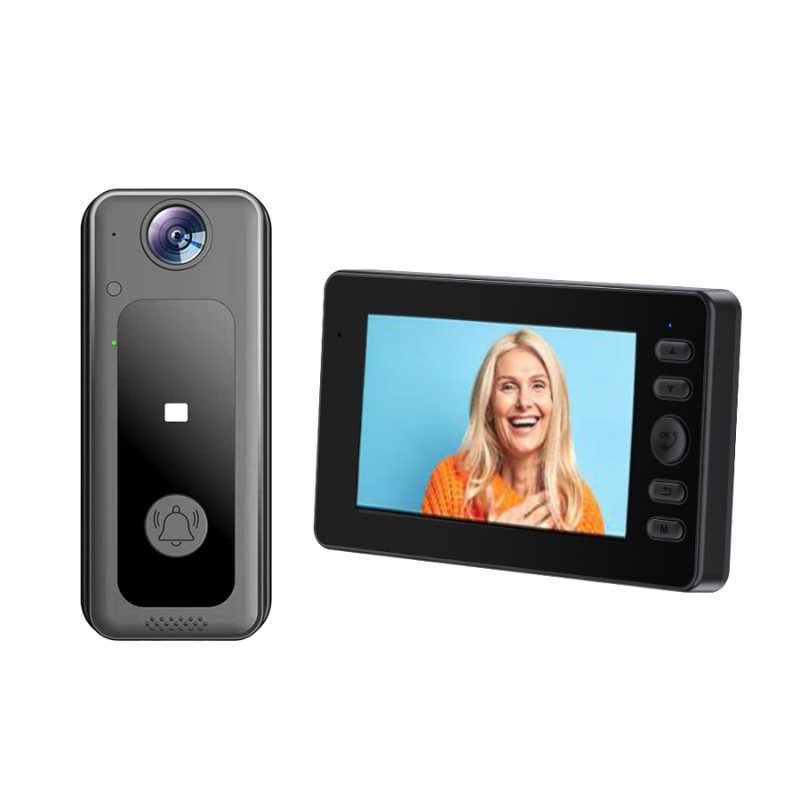
Choosing a smart video doorbell manufacturer is an important decision for brands looking to develop reliable security products. Beyond product pricing, buyers need to evaluate manufacturing capabilities, customization options, product performance, and long-term support.
This guide sets out a practical evaluation framework — from defining product requirements through to compliance, quality control and after-sales support — so that you can compare suppliers on the criteria that genuinely affect your project.
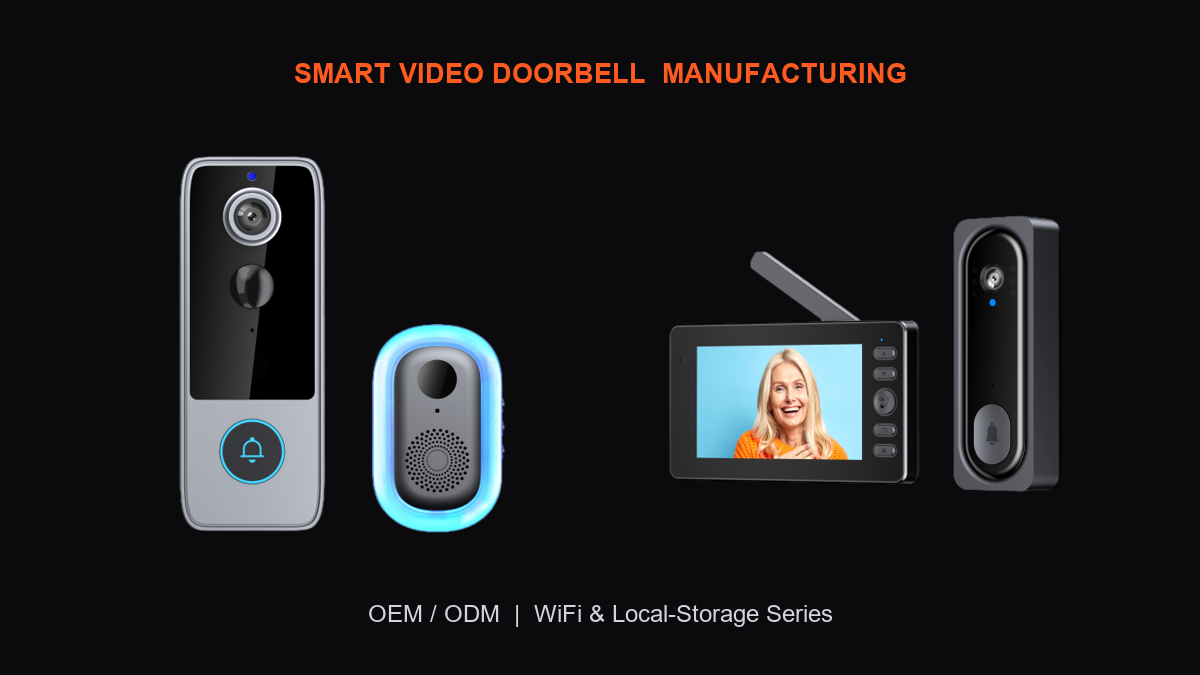
1. Define Your Smart Video Doorbell Product Requirements
A supplier conversation moves much faster when you already know what you are sourcing. Before requesting quotations, write down the market you sell into, the retail price band you are targeting, and the functions the product must support. Those three decisions determine which product platforms are worth discussing at all.
Identify Your Target Market and Customer Segment
The same doorbell hardware can serve very different buyers, and the priorities shift with each one. A DIY consumer comparing products online cares about app setup and battery life; a property developer cares about a stable indoor monitor and repeatable installation. Deciding your segment first keeps the specification realistic.
- • Residential smart home products — app-based control, simple installation, consumer-friendly packaging
- • Security product brands — stronger imaging performance, brand differentiation, accessory ecosystems
- • Property and building applications — indoor monitor units, multi-unit deployment, local recording
- • Wholesale and distribution channels — model breadth, price tiers, packaging that survives retail handling
Determine the Required Product Configuration
Once the segment is clear, convert it into a configuration list. In the smart video doorbell category, the decisions below drive most of the cost and most of the user experience, so they should be settled before you compare suppliers.
If you are still exploring form factors, the smart doorbell product range is a useful reference point for how these configurations are grouped in practice.
2. Evaluate the Manufacturer’s Product Quality and Technical Capabilities
“High quality” is not a specification. Ask instead for the measurable details behind each claim, and check that the same numbers appear in the datasheet, the sample and the production order.
Camera Performance and Image Quality
Ask for the actual sensor and lens combination, not just the output resolution. Two models can both record 720p and still behave very differently: the sensor determines low-light behaviour, the lens determines how much of the entrance is covered, and the image pipeline determines how hard the footage is compressed.
Practical checks: resolution and frame behaviour in daylight and at night, lens angle verified against a measured scene, night-vision type and switching method, and how the image holds up when a visitor stands directly under the light source. Where a model uses infrared or white-light fill illumination, confirm which one and how it is triggered.
Communication and Connectivity
Connectivity problems generate more after-sales tickets than image quality does. For WiFi models, confirm the supported band and protocol — most smart doorbells operate on IEEE 802.11b/g/n 2.4GHz, and some also include a 433MHz RF link for a chime unit. For screen-series models that do not use WiFi at all, ask for the realistic transmission range between the outdoor unit and the indoor monitor, and how the pairing behaves when walls or metal doors sit between them.
Also confirm app support boundaries: which Android and iOS versions are supported, and what happens on the app side if the connection drops and recovers.
Product Testing and Quality Control
Ask a supplier to describe the tests that apply to the specific model you are buying, rather than a generic quality statement. Relevant procedures usually include functional testing of buttons and pairing, battery charge and discharge testing on battery-powered models, communication stability testing, enclosure sealing checks on outdoor-rated models, and a pre-shipment inspection before the cartons are closed.
"Ask which tests apply to the model you are buying — and ask to see the records."
3. Check OEM and ODM Customization Options
Customization is usually the reason a brand approaches a manufacturer rather than a trading company. The important question is not whether customization exists, but how deep it goes and how it is managed across the order.
Product Branding and Packaging Customization
Start with the visible layer, because it is where buyers judge whether a product is genuinely their own. Typical areas include logo placement on the housing, product colour and finish, retail packaging structure and artwork, user manuals in the required language, and the accessory set that ships in the box. For brands running a private label video doorbell programme, this layer carries most of the differentiation, because the hardware platform may be shared with several brands selling into the same market.
Hardware and Software Customization
Deeper customization changes the product itself rather than its presentation. Depending on the platform, this can cover hardware modifications such as battery capacity, lens selection or enclosure changes, firmware configuration and behaviour, app branding or integration, cloud platform options for models that support cloud storage, and feature development for requirements outside the standard specification.
Before committing, confirm in writing which of these the supplier develops in-house and which are handled through partners, because that determines how quickly changes can be implemented later.
Choose a Customization Model That Fits Your Business
Minimum order quantities, development timelines and customization costs vary by platform and order, so they should be confirmed directly for your project rather than assumed. The OEM/ODM service page explains how these engagements are usually structured.
4. Verify Certifications and Compliance for Your Target Market
Certification requirements depend on the product configuration, the destination market and the regulations that apply there. A WiFi doorbell with a mains adapter and a battery-powered monitor-only model do not carry the same compliance burden, even when they sit on the same shelf.
For most international markets, the documents buyers ask about first are CE, FCC and RoHS, together with any additional requirement introduced by the destination country. The practical step is to request the certification files that correspond to the exact model you intend to import, and to check that the model number on the certificate matches the model number on the quotation.
A certification logo on a supplier website is a starting point, not evidence. Confirm the scope of each document, which configuration it covers, and whether it remains valid for the production batch you are ordering.
5. Assess Production Capacity and Supply Chain Reliability
Manufacturing and R&D Capabilities
The point of this assessment is not to collect impressive numbers, but to understand how the supplier is organised. Which stages of production happen in-house? Who handles engineering changes? How are incoming components controlled? A supplier that can describe its process clearly is usually easier to work with than one that can only quote output figures.
Engineering support matters most in the middle of a project, when a specification has to change. Ask how product development is handled, who your technical contact will be, and how much of the design work is done by the supplier rather than subcontracted.
Sample Approval and Mass Production
Sampling is where a specification stops being a document and becomes a product. Evaluate the sample against the agreed requirements — imaging, connectivity, battery behaviour, housing and sealing — and then freeze that specification in writing before production begins.
- • Sample evaluation against a written requirement list
- • Specification sign-off covering hardware, firmware and packaging
- • Production requirements confirmed, including inspection criteria
- • Quality inspection at the agreed point in the process
- • Delivery planning matched to your own launch schedule
Capacity, lead time and delivery commitments should be confirmed for your specific order rather than taken from a general brochure.
6. Compare Supplier Support and Long-Term Partnership Potential
The supplier relationship continues long after the container ships. From a buyer’s perspective, the questions that predict how the next two years will go are mostly about support rather than product.
- • Technical communication — a named contact who can answer engineering questions, not just sales questions
- • Product documentation — datasheets, setup guides and artwork files that match the shipped configuration
- • After-sales support — a clear process for handling defective units and user enquiries
- • Firmware updates — whether the platform receives updates, and how they reach end users
- • Spare parts and warranty terms — what is covered, for how long, and how replacements are supplied
- • Future product development — whether the supplier can support your next model, not only the current one
A reliable video doorbell supplier is usually the one that answers these questions specifically, with named terms rather than general reassurance.
7. Why Choose Yuaoheng as Your Smart Video Doorbell Manufacturing Partner?
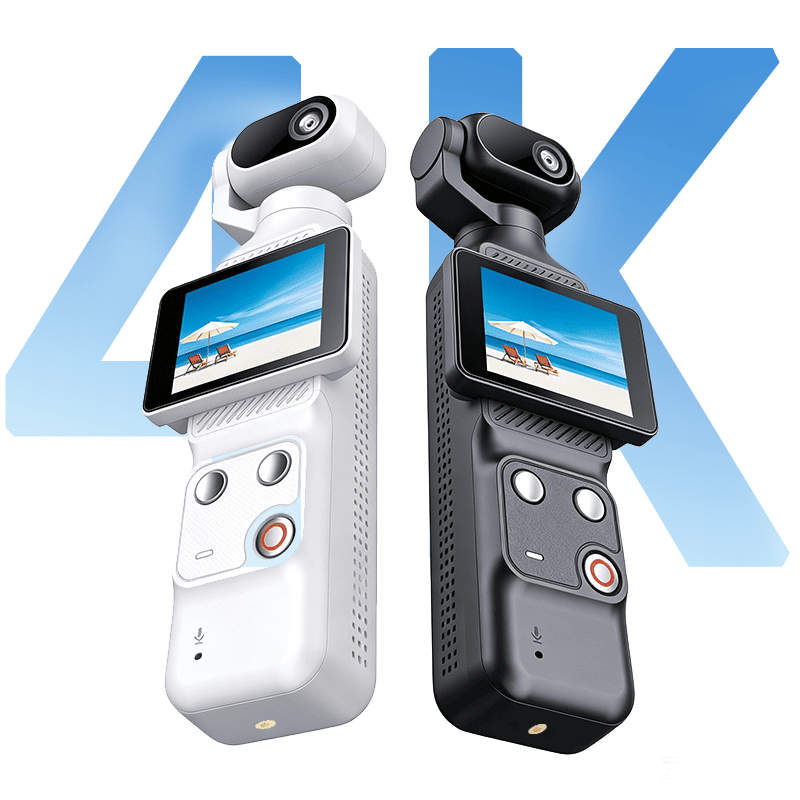
Dongguan Yuaoheng Technology Co., Ltd. is a smart imaging product manufacturer working across smart video doorbells, dash cams and action cameras. Our work combines product design, R&D, manufacturing, sales and customer service, with OEM and ODM services covering hardware, software, app and packaging customization according to each project.
On the doorbell side, our product development has followed two clear directions, so that brands can position themselves either on app-connected convenience or on local-storage privacy.
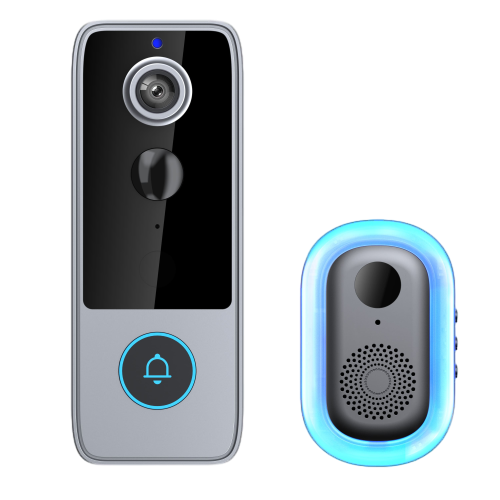
WiFi Series — App-Connected Doorbells
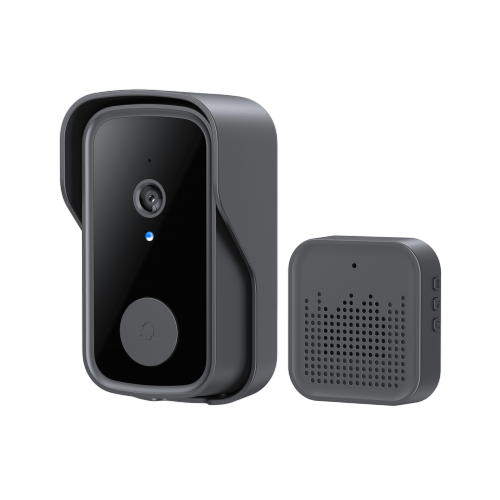
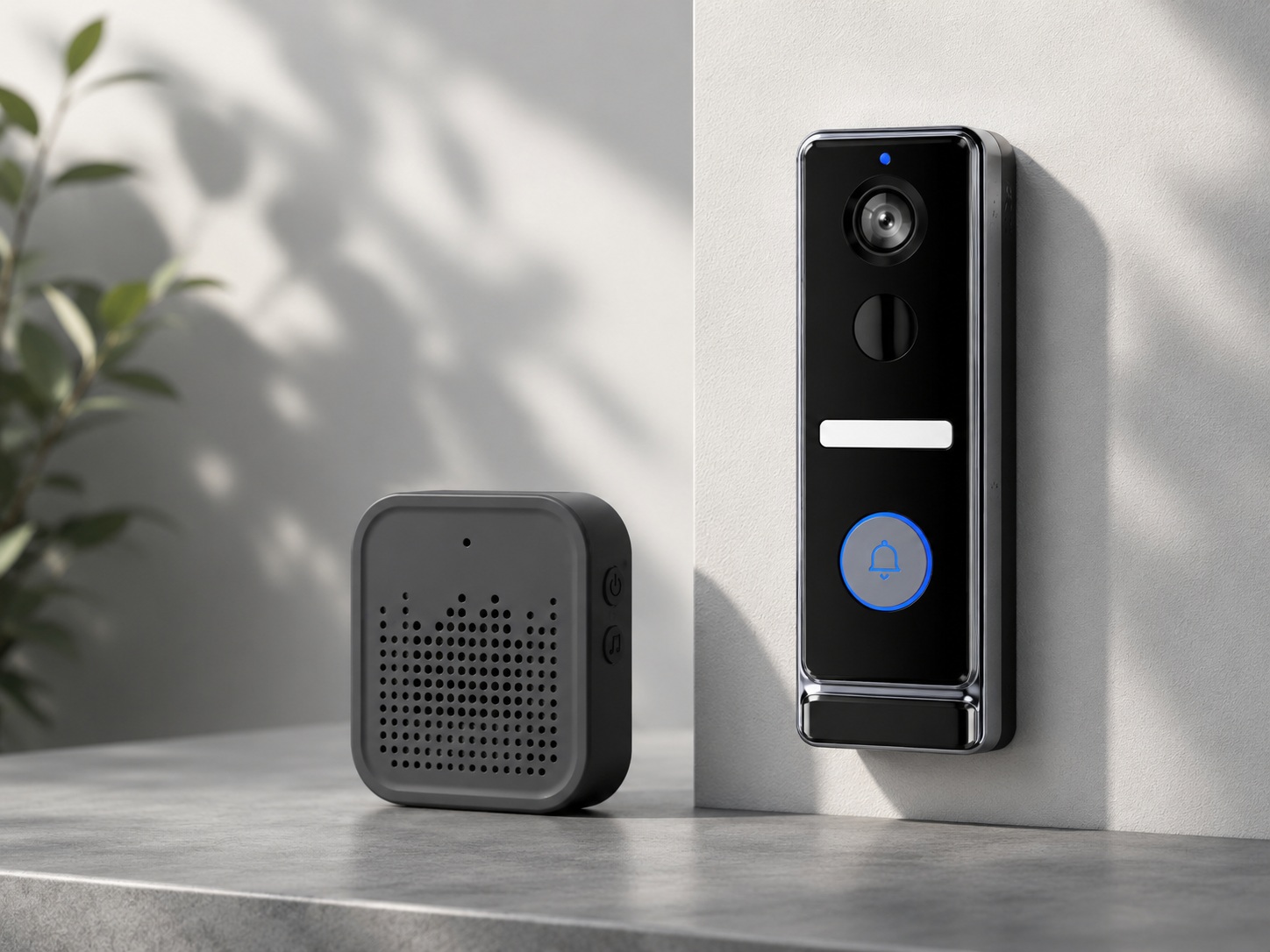
The Tuya-series models connect through WiFi on IEEE 802.11b/g/n 2.4GHz and support app-based remote monitoring, PIR human detection on selected models, two-way audio and push notifications. Battery options range from 1000mAh entry models up to 4000mAh packs rated for roughly three months of standby, with 18650×2 configurations rated considerably longer, and several models carry temperature-control protection. Storage is handled through a TF card on some models and cloud storage on others, and outdoor-rated versions carry IP65 or IP66 sealing.
A representative configuration: M21 smart WiFi doorbell — 1280×720 recording, 120° wide lens, white-light night vision, 4000mAh battery, IP65 and H.264 encoding. Newer models extend the same platform further: the M28 launch article covers a model with PIR detection, IP66 sealing and full-colour low-light imaging.
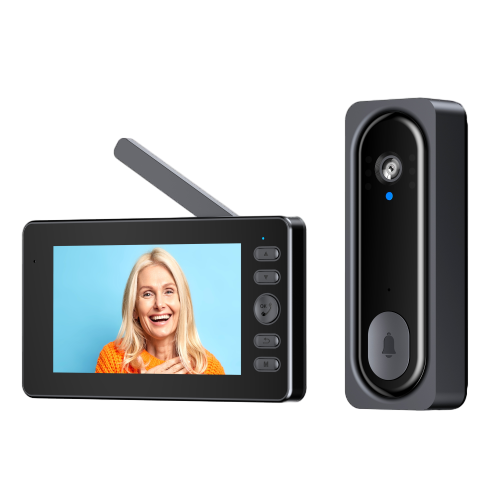
Screen Series — Local Storage, No WiFi
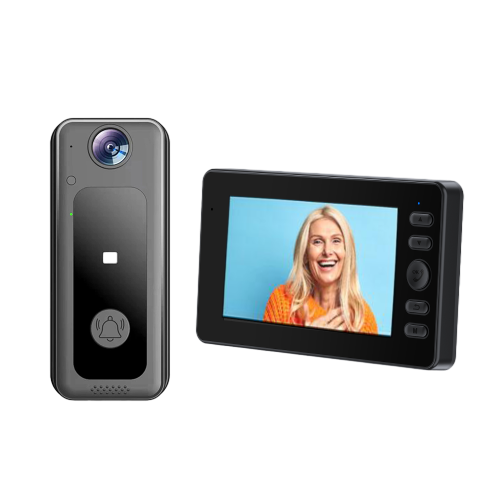
The screen-series range pairs an outdoor doorbell unit with a 4.3″ or 4.5″ IPS indoor monitor over a 2.4G wireless link. Because the system does not use WiFi, recordings stay on a local memory card instead of passing through an external network, which suits buyers positioning privacy as a product advantage. The indoor monitor runs from continuous power, while battery capacities on the outdoor unit range from 800mAh to 4000mAh 18650×2 packs rated for three to six months. Card support reaches 128GB with MJPEG recording, and selected models are IP65 rated.
A representative configuration: M30c doorbell system — 4.3″ IPS monitor, 720P, 115° lens and white-light night vision.
For longer standby requirements, the M22 smart WiFi doorbell illustrates how far battery life can be extended using an 18650×2 configuration, and it also demonstrates the OEM and ODM support available across the range.
8. Questions to Ask Before Choosing a Smart Video Doorbell Manufacturer
Use this list as a shortlist checklist. A supplier who answers all of it clearly is worth a sample order.
9. Conclusion: Find the Right Smart Video Doorbell Manufacturer
The right smart video doorbell manufacturer is the one whose product platform matches your market, not simply the one with the lowest quotation. Work through the framework in order: define the requirement, evaluate imaging and connectivity quality, establish how much customization is realistic, verify the certification documents that apply to your target market, and then confirm the support terms you will depend on after the order ships.
Brands building a product line rather than buying a single shipment should also weigh development capability, because the second and third models usually matter more than the first. If that is your situation, an OEM/ODM discussion is the natural next step.
Looking for a Smart Video Doorbell Manufacturing Partner?
Explore our smart video doorbell solutions and discuss your product requirements with our team. Whether you are developing a new model or sourcing an existing platform, we can review the configuration, customization scope and compliance needs for your market.
.jpg?imageMogr2/format/webp)