.png?imageMogr2/format/webp)







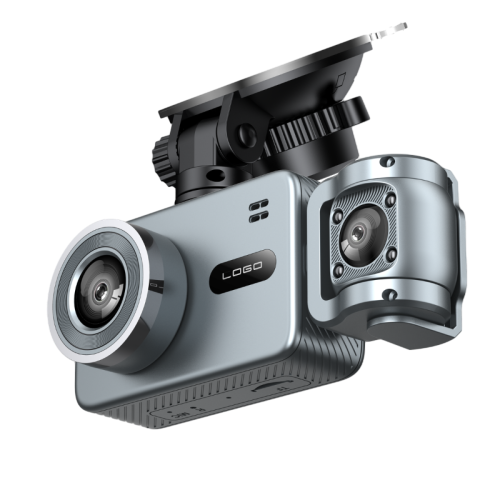
Choosing a dashcam manufacturer is a product and supply-chain decision, not simply a price comparison. Two suppliers can quote the same unit cost and still deliver completely different outcomes once a program reaches mass production, retail shelves and end users.
This guide is written for automotive accessory brands, importers, distributors, ride-hailing and fleet buyers, and private-label electronics companies that need to choose a reliable dashcam manufacturer. It covers requirement definition, product capability, quality control, sample approval, OEM and ODM scope, and the questions worth asking before a purchase order is issued, whether the project is a custom dashcam program or a standard private label dashcam.
Why Manufacturer Selection Matters for Dashcam Brands
A dashcam is not a single product. It is a combination of image sensor, lens, processor, firmware, storage handling, power management, mounting hardware and enclosure, all of which have to work together in a moving vehicle across a wide temperature range. When a brand sources a dashcam, the decisions that determine whether the product succeeds in the market include video quality, camera configuration, GPS, Wi-Fi, parking monitoring, storage, product durability, OEM and ODM customization, quality control, sample approval and production consistency.
Each of those items sits with the manufacturer. A supplier that can only quote a price list will leave a brand to discover the gaps later, usually after tooling has been paid for or after the first container has shipped. A supplier that can document its product range, its testing stages and its customization scope gives a brand something far more useful: a project that stays predictable from sample to repeat order.
"The cheapest quotation rarely produces the cheapest program. Manufacturing cost is decided by yield, rework, returns and repeat orders, not by the number on the first page."
Define Your Dashcam Product Requirements Before Choosing a Manufacturer
The first step in a sourcing project is not a supplier list. It is a written brief. Buyers who arrive at a manufacturer with a defined target market and a defined product position get useful answers in the first conversation; buyers who arrive with a price target alone tend to get quotations for whatever stock happens to exist.
Identify Your Target Market
Dashcam demand is fragmented, and each segment asks for different things. Consumer automotive accessories buyers expect a complete retail package with an attractive price point. Ride-sharing and taxi operators need interior coverage, clear night recording and easy file retrieval. Delivery and commercial fleet buyers care about multi-camera coverage, GPS data and durability over years of daily use. Automotive aftermarket distributors want a range that covers several price bands, so they often assess a dashcam OEM manufacturer for distributors on range breadth as much as on unit cost. Private-label electronics brands want a product that carries their own identity without carrying a competitor's design, which makes them a natural fit for a dashcam manufacturer for brands that already has a retail channel.
That is why a dashcam manufacturer for automotive brands should be judged against the segment the product will actually serve, not against the category as a whole. Writing the target market down changes the technical brief immediately: a fleet program that requires GPS logging and four camera channels is a different project from a retail accessory that has to hit a shelf price.
Define the Intended Product Positioning
Once the market is clear, the product position usually falls into one of three broad bands. An entry-level program focuses on cost, reliable basic recording and simple installation. A mid-range program adds features such as a second or third camera channel, GPS, Wi-Fi and parking monitoring. A professional or fleet-oriented program prioritizes multi-camera coverage, interior monitoring, GPS data handling and long-term reliability over the smallest possible bill of materials.
None of the three bands has a fixed price. Target prices differ by country, by sales channel and by the level of brand support a product receives, so it is better to define the required capability set and then compare whether a supplier can deliver it consistently. A manufacturer with a broad dashcam systems range can usually point a buyer to the closest existing platform instead of starting from zero.
Evaluate the Dashcam Manufacturer's Product Capabilities
Capability is best judged from what a supplier already builds, not from what a catalogue claims. A useful evaluation looks at four areas: image quality, camera configuration, connectivity, and event or parking monitoring.
Video Resolution and Image Quality
Resolution is the first thing buyers compare, and the easiest thing to over-simplify. 1080P remains entirely adequate for many retail programs, 2K gives a visible step up in detail such as licence plates and road signs, and 4K is the top of the range where the target market expects it. Frame rate matters as much as resolution, because a camera that records at a low frame rate can still produce unusable footage when a vehicle is moving. Night recording deserves its own test, since a sensor that performs well in daylight can lose almost all detail after dark.
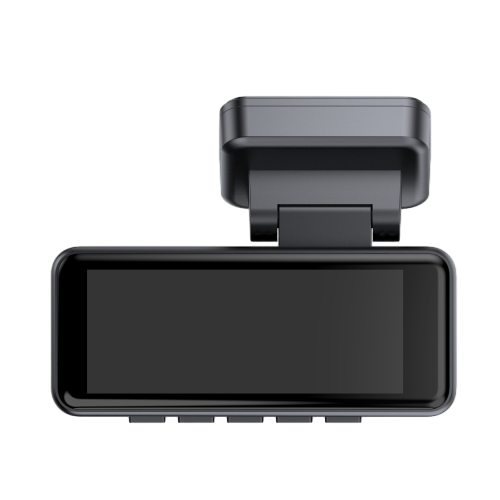
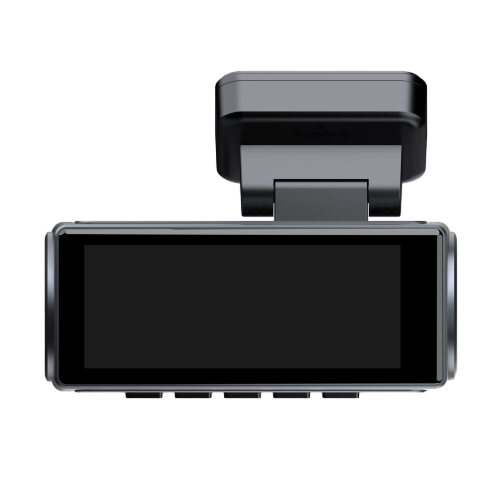
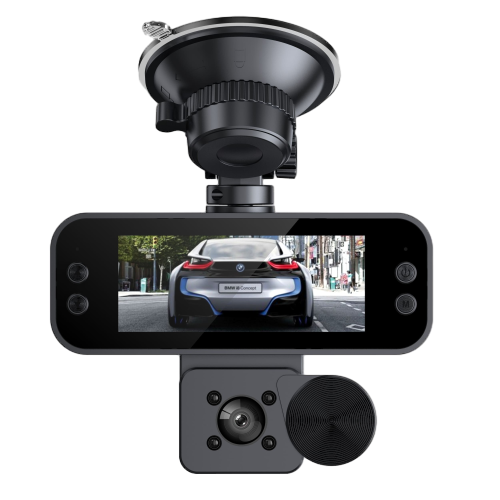
Rather than asking whether a manufacturer can supply "a high-resolution dashcam", buyers should check whether it can provide several combinations appropriate to different market segments. The D2-1 is a useful reference point for how a dual-channel platform is specified: a 4K (3840×2160) front camera at 30fps paired with a 2K (2560×1440) rear camera at 30fps, a 150° front lens, a 110° rear lens, a 3.16-inch IPS screen and night vision on both channels. That is an example of the resolution composition a brand can request, not a limit on what the platform can support.
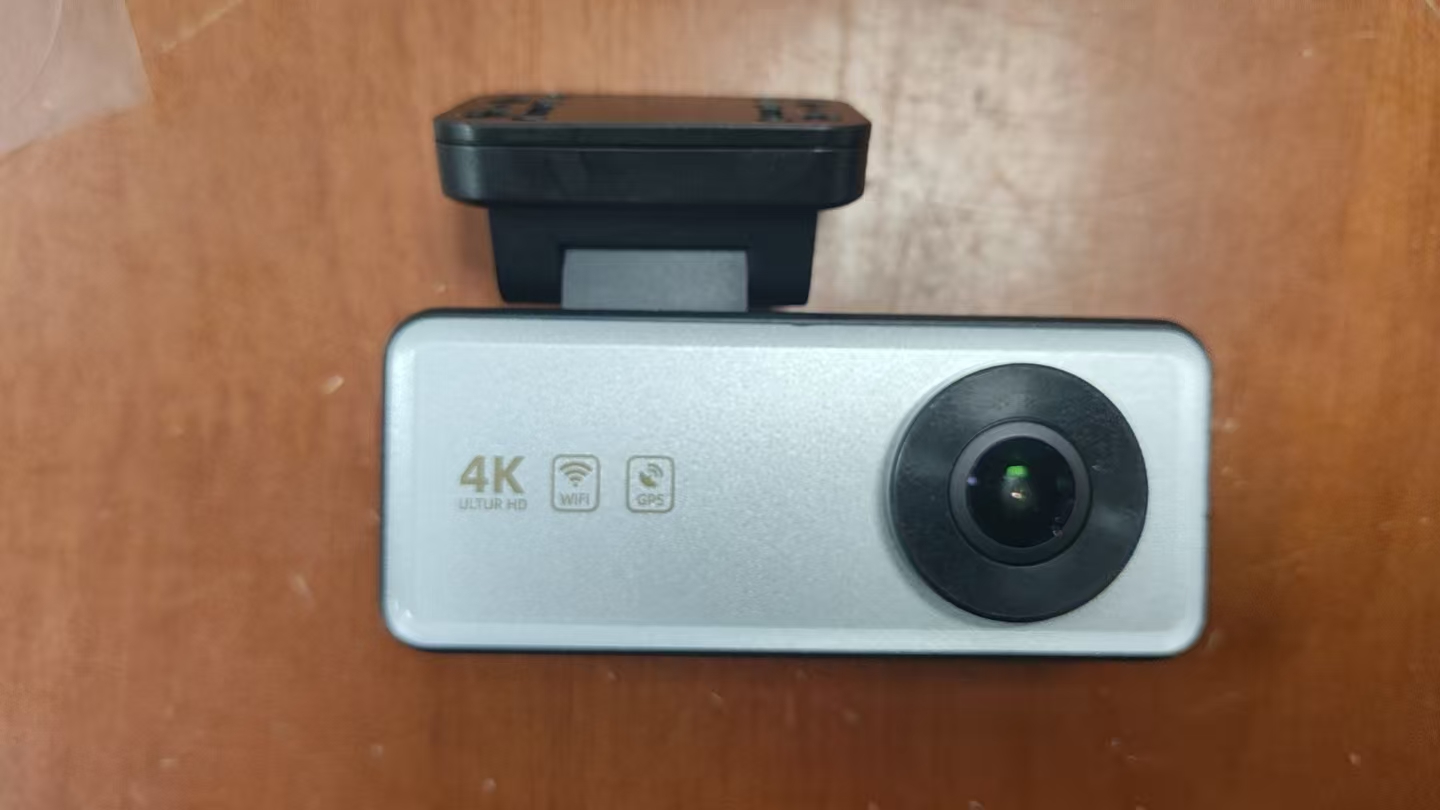
D2-1 dual-channel platform: 4K front plus 2K rear recording, with Wi-Fi and GPS built into the housing.
Camera Configuration
Camera count is the other half of the capability question. A single-channel camera records the road ahead. A dual-channel camera adds a second view, usually the rear. A triple-channel camera typically covers the road, the cabin and the rear. A four-channel camera extends coverage further, often adding the vehicle sides or additional interior positions.
The point for a buyer is coverage, not fashion. What matters is whether the manufacturer has multiple configurations available from the same production base, so that a brand can serve a retail tier and a fleet tier without sourcing from two unrelated factories. Channel architecture, resolution per channel and the trade-offs between them are a separate subject, and one we cover in more detail in our guide to dual and triple-channel configurations.
GPS and Connectivity
GPS is a feature that changes who the product is for. With GPS enabled, footage carries speed, time and route data, which is what fleet operators and insurance-related use cases need. Without it, the camera is a straightforward incident recorder. Buyers should confirm whether GPS is standard, optional, or available only on specific channels of a given model, and whether the module is internal or supplied as an accessory.
Wi-Fi is what makes the product usable day to day. It connects the camera to a mobile app for live preview, video download and settings, which removes the need for a card reader and makes installation easier. Some models on our range carry built-in Wi-Fi, such as the S2Q, while others list Wi-Fi as a supported or optional function. Both D2-1 and S2Q include GPS and Wi-Fi in their published specifications, so the two features can be compared directly across those platforms.
Parking Monitoring and G-Sensor
A dashcam spends most of its life parked, and that is where much of the damage happens. Four functions decide how well a product handles it. A G-sensor detects a sudden impact. Motion detection wakes the camera when something moves in front of the lens. Parking monitoring records while the vehicle is unattended. Event recording protects the file from being overwritten during loop recording so the evidence survives.
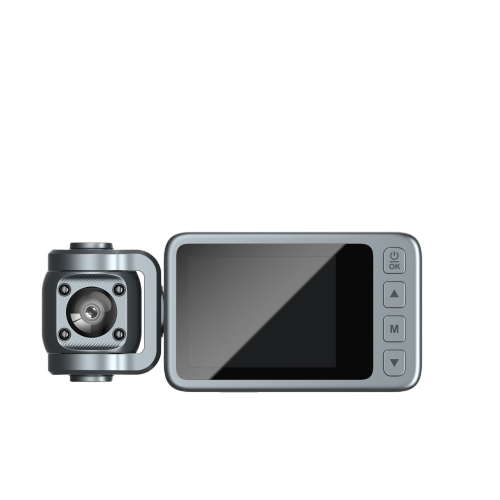
These features are easy to list and harder to deliver, because they involve power management and firmware behaviour that only show up in real use. The S2Q specification, for example, lists Temp-Park Motion, a G-sensor and parking protection, and a 2.0-inch IPS screen for on-device review. The D2-1 lists a G-sensor, motion detection and Temp-Park Motion alongside its 3.16-inch screen. Buyers should confirm that the behaviour they need is present on the exact model being quoted, not only on the platform family as a whole.
Check Whether the Manufacturer Supports Different Dashcam Configurations
A supplier's flexibility shows up in its product matrix. The table below turns that matrix into a checklist a buyer can work through during a supplier evaluation, regardless of which brand is being assessed.
| Requirement | What Buyers Should Check |
|---|---|
| Single Channel | Front camera configuration, lens angle and mounting options |
| Dual Channel | Front plus rear recording, and whether resolution is balanced or asymmetric |
| Triple Channel | Front, cabin and rear coverage, and how the cabin camera is mounted |
| Four Channel | Front, cabin, rear and additional positions, plus cable routing complexity |
| GPS | Speed and location recording, module type and whether it is standard or optional |
| Wi-Fi | App connection, live preview, file transfer and playback stability |
| Parking Mode | G-sensor and motion detection behaviour, plus how power is supplied while parked |
| Storage | Supported memory card capacity, loop recording and event file protection |
Our own range is a concrete illustration of how broad that matrix can be. The Dashcam Systems category currently lists 23 dashcam models, covering two dual-channel platforms (D2-1 and D3-1), thirteen triple-channel models (S1, S2Q, S3, S5, S10, S15 through S19Q, S25 and S26Q among them) and eight four-channel models including S7S, S8, S9, S21, S22, S23Q, S25S and S29S.
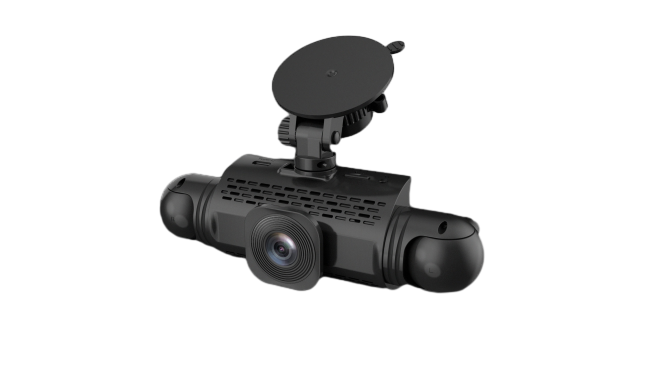
The two examples most often requested by brands illustrate the spread. D2-1 pairs a 4K front camera with a 2K rear camera in a dual-channel platform with GPS and Wi-Fi. S2Q is a triple-channel platform with a 2K main camera, two 720P auxiliary channels for cabin and rear coverage, built-in Wi-Fi and parking monitoring. Both are standard products with the same customization options, which means a brand can enter a program on either one without changing supplier.
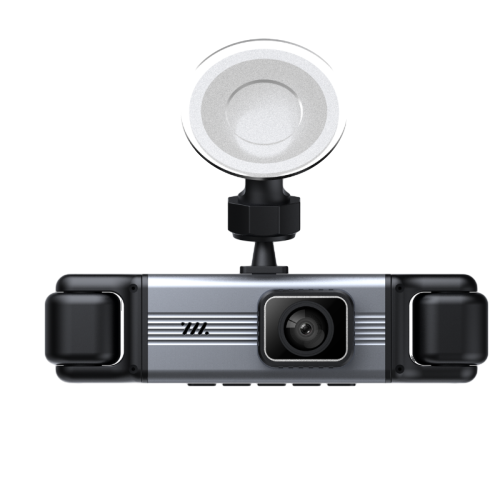
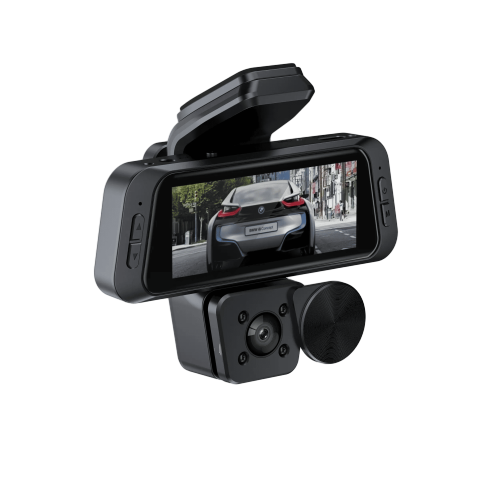
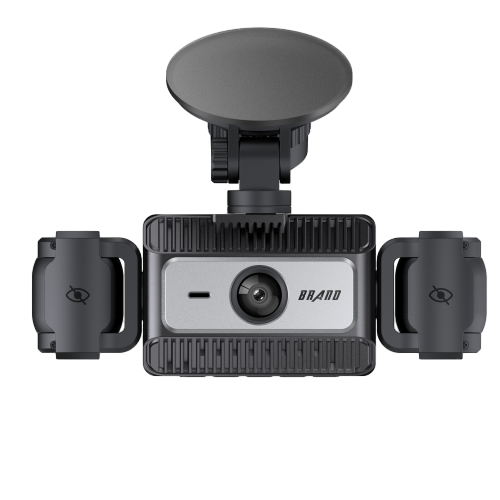
S25S, a four-channel model from the S-series, with additional camera modules visible on both sides of the housing.
Evaluate Quality Control and Product Testing
Quality control is the part of a supplier evaluation that cannot be judged from a sample, because a sample is by definition the unit the factory wanted a buyer to see. What a buyer can ask for instead is a description of the testing stages a production unit passes through.
Product Testing
Following a unit from the assembly line to the carton, the functional checks that matter for a dashcam are camera testing, recording testing, display testing, GPS testing, Wi-Fi testing, G-sensor testing and parking mode testing. A camera can pass an image test and still fail a recording test if the file system or power handling is unstable; a unit can record correctly and still fail if the GPS lock is slow or the Wi-Fi drops during download. Asking which of these stages are performed per unit, and which are performed per batch, is one of the most revealing questions in the whole evaluation.
Environmental Conditions
A dashcam lives on a windscreen in direct sun and in a cabin below freezing, so environmental behaviour decides durability. The relevant parameters are the operating temperature range, the vehicle installation environment, vibration resistance and resistance to prolonged outdoor exposure. Working temperature is usually published per model, for example the S2Q specification states a range of -20°C to +70°C.
This is also where buyers should be most careful. Testing conditions and published specifications differ between models even within one supplier's range, so a figure taken from one product page does not transfer to another. Buyers should request model-specific data for the exact model being purchased, in writing, before tooling or mass production begins. On our side, the standard quality stages applied across production are camera testing, aging testing and final inspection, supported by CE, FCC and RoHS compliance, and buyers are welcome to request the documentation that applies to the model under consideration.
Review Sample Approval Before Mass Production
A structured sample approval process protects both sides. It gives the brand a defined point at which the product is judged, and it gives the manufacturer a defined specification to build against. We follow six stages on OEM and ODM dashcam programs.
Step 1 — Requirement
The brand supplies its target market, required product configuration, feature list and branding requirements. This becomes the reference document for everything that follows.
Step 2 — Product Selection
The manufacturer reviews its existing range and recommends the platforms that come closest to the brief, including where a standard model is sufficient and where development is required.
Step 3 — Sample
The brand tests the physical product against the brief: image quality in daylight and at night, recording stability, connectivity, mounting and installation in a real vehicle.
Step 4 — Modification
Findings from testing are turned into changes, which may involve hardware, housing, firmware or packaging depending on the gap identified.
Step 5 — Final Approval
The revised sample is confirmed against the specification, and the agreed version is frozen as the production standard.
Step 6 — Mass Production
Production runs against the approved standard, with the quality stages described above applied and shipping terms agreed in advance.
Check OEM and ODM Capabilities
"We support OEM and ODM" is a sentence every supplier writes and almost none explain. The useful question is what level of customization a manufacturer can actually execute, because the levels differ enormously in cost, lead time and risk. We work across four levels, and the first question on any inquiry is which level the project actually needs. That distinction is what separates a dashcam ODM supplier running full development from a dashcam OEM manufacturer applying a logo and a printed box, and confusing the two is a common reason projects overrun.
Logo and Packaging Customization
The lightest level applies a brand to a product that already exists. It covers logo application, customized packaging and brand materials such as manuals and inserts. This suits established brands that want to reach the market quickly with a product whose hardware and performance are already proven, and it is the shortest route from brief to shipment.
Drawing-Based Customization
Here the brand brings the design. CAD files, product drawings and housing design define the form, and the manufacturer implements them in production hardware. This level gives a brand genuine differentiation in appearance and structure, and it requires the manufacturer to have engineering capability rather than assembly capability alone.
Sample-Based Customization
Some brands already own a working unit and want it replicated, modified or improved. The manufacturer reverse-engineers the sample, refines what needs refining, and takes it into mass production. It is often the fastest way to convert a proven design into volume output, provided both sides agree in writing which characteristics must be preserved and which are open to change.
Full Product Development
The deepest level starts with a concept and ends with a manufactured, certified product: concept, hardware, software, prototype, testing and manufacturing. In practice the work proceeds through project briefing, R&D integration, engineering verification prototypes, tooling, compliance and market launch. This is where a brand gains a product that exists nowhere else, and where the choice of manufacturing partner matters most, since the engineering decisions are effectively outsourced.
Across the four levels, the customizations most commonly requested on dashcam projects are logo, packaging, firmware and app. The full scope of our four levels is set out on the OEM/ODM services page.
Compare Dashcam Manufacturers Based on These Factors
The table below is a framework rather than a ranking. It is deliberately supplier-neutral: the weight given to each factor depends on whether a buyer is launching a retail accessory or a fleet program, so the assessment should be completed per project rather than per supplier. The same framework applies whether a buyer is assessing an automotive camera manufacturer for a fleet contract or a custom dashcam manufacturer for a retail accessory line.
| Evaluation Factor | What to Check |
|---|---|
| Product Range | Whether the supplier covers different channel counts and configurations |
| Image Quality | Resolution, frame rate and night recording performance per channel |
| Connectivity | GPS, Wi-Fi and app behaviour, including whether each is standard or optional |
| Parking Monitoring | G-sensor, motion detection and how event files are protected |
| Customization | Logo, packaging, hardware and software scope, and which level applies |
| Sample Process | Whether sample approval is built into the plan before mass production |
| Quality Control | The testing and inspection stages applied before packing |
| Production | Capacity for the planned order quantity and consistency across repeat orders |
| Documentation | Specification sheets, user manuals and the certifications that apply to the model |
| After-Sales Support | Technical contact, response time and how product issues are handled after shipment |
Why Consider Yuaoheng as Your Dashcam Manufacturing Partner?
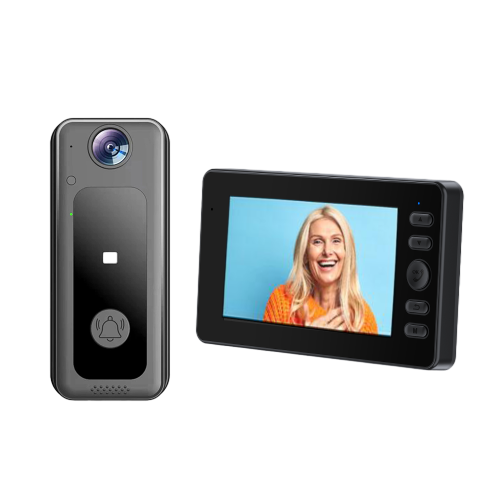
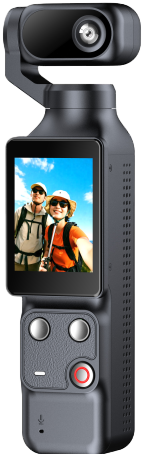
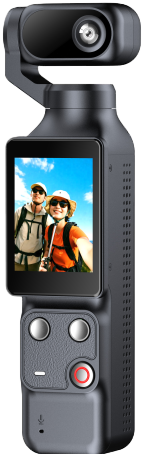
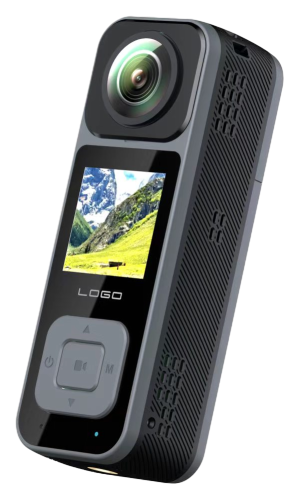
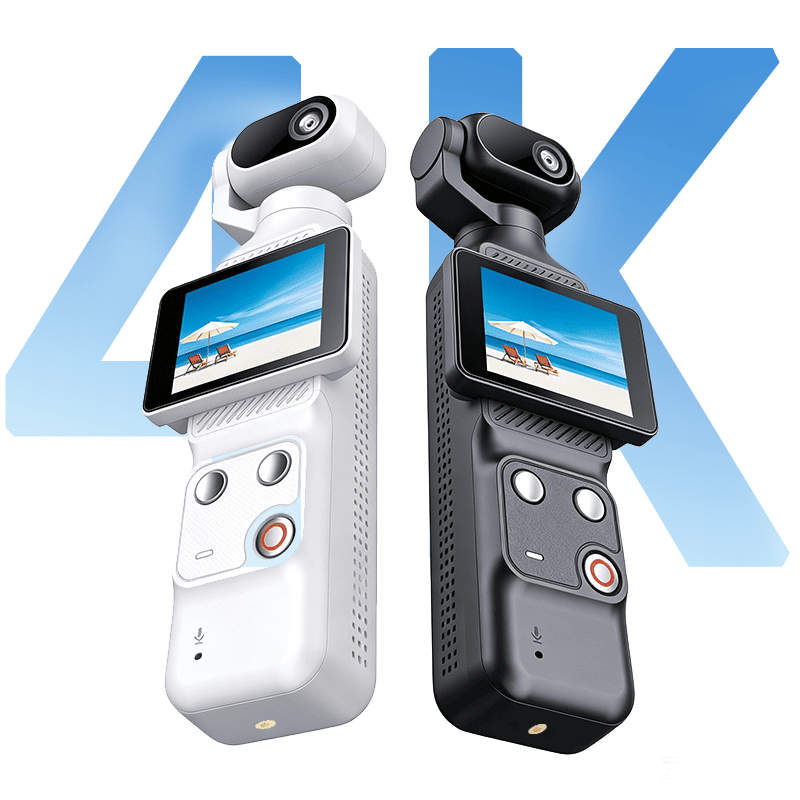
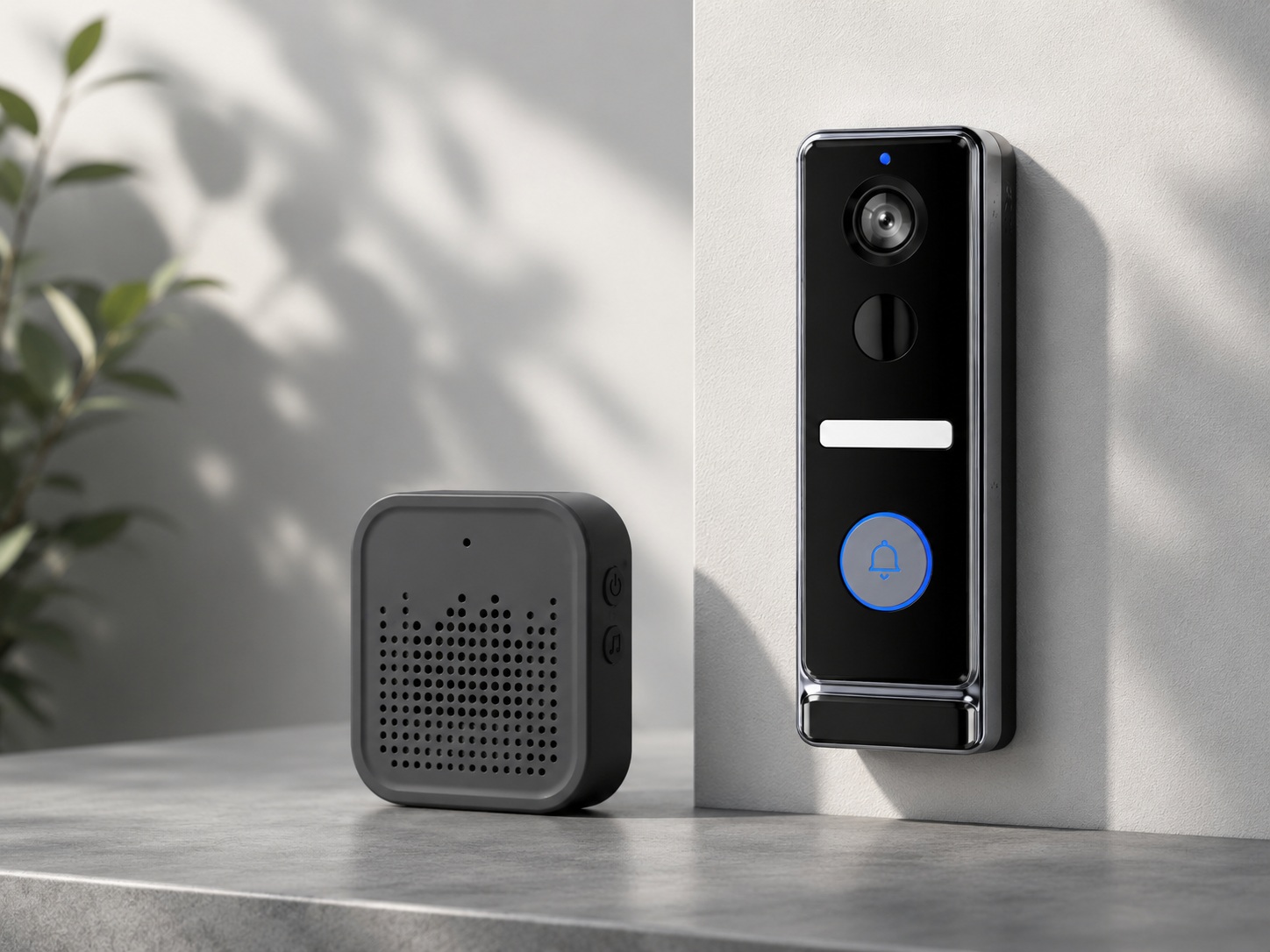
Dongguan Yuaoheng Technology is a car dashcam manufacturer and OEM/ODM partner that also builds action cameras and smart doorbells for brands selling under their own name. The dashcam side of that business is unusually broad for a factory of our size. The Dashcam Systems range currently lists 23 models, spanning dual, triple and four-channel platforms, different resolution compositions, screen sizes from 2.0 to 3.16 inches, and models where Wi-Fi is built in alongside models where it is optional.
That breadth matters at the sourcing stage, because a brand rarely needs one product. A distributor may need an entry-level unit and a premium unit in the same shipment. A fleet buyer may need a four-channel vehicle camera alongside a simpler single-vehicle solution. Being able to serve both from one production base removes a whole category of supplier management work.
On the manufacturing side, our 1,500-square-metre standardized factory in Dongguan runs scalable production lines with full-process quality control, covering camera testing, aging testing and final inspection, supported by CE, FCC and RoHS compliance. OEM and ODM work is available across all four customization levels, and standard products start at a minimum order quantity of 50 to 100 pcs, which keeps an initial program accessible to smaller brands. Trade terms include EXW, FOB Shenzhen, CIF and DDP.
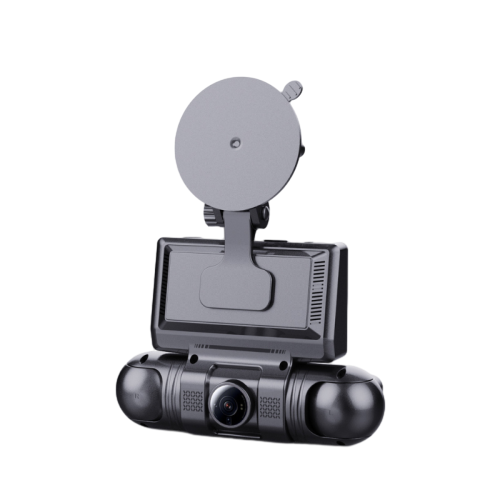
S23Q, a four-channel platform with a 2K front camera and 1080P coverage on the remaining three channels.
Questions to Ask Before Choosing a Dashcam Manufacturer
These are the questions we are asked most often by brands starting a dashcam program, and the ones worth asking any dashcam supplier before a project begins.
What dashcam configurations does the manufacturer offer?
Ask for the channel count of every model, not just the flagship. A supplier with a genuine range can show single, dual, triple and four-channel platforms side by side, along with the screen size and resolution composition of each. That matrix tells a buyer immediately whether one supplier can cover a whole product line.
Can the manufacturer provide samples before mass production?
A sample should be a standard step in the process, not a favour. Confirm the cost, the lead time and what happens if the sample fails the brief. The best answer includes a defined approval stage before tooling or volume production, so that changes are agreed while they are still inexpensive to make.
Does the supplier support private-label dashcams?
Private-label programs usually begin with logo application and custom packaging, which is the lightest customization level and the fastest to launch. When evaluating a private label dashcam manufacturer, ask whether the product carries any other branding that would be visible to end users, and whether the packaging, manual and inserts are produced to the brand's own artwork rather than a generic template.
What OEM and ODM customization options are available?
The answer should be structured rather than general. Look for the levels a supplier actually works at: logo and packaging, drawing-based development from the brand's CAD files, sample-based replication and improvement, and full development from concept to manufacturing. Knowing the level determines the project timeline and who owns the design.
Can the manufacturer customize hardware or firmware?
Hardware customization covers camera modules, sensors, housing and structural changes; software customization covers firmware behaviour and app or cloud presentation. Some suppliers do only the first. Ask which parts of the stack they control, because firmware changes, such as adjusting how parking monitoring behaves, usually decide whether a product feels finished.
What quality control procedures are used?
Request the testing stages by name, and ask whether each is performed per unit or per batch. For a dashcam, the stages worth hearing about are camera testing, recording testing, display testing, GPS testing, Wi-Fi testing, G-sensor testing, parking mode testing and aging testing. A supplier that can describe them in order is describing a process rather than a promise.
Which certifications are available for the selected model?
CE, FCC and RoHS are the baseline for most export markets, but certification applies to a specific product, not to a supplier in general. Ask for documentation that names the exact model and the markets it covers, and confirm early whether the destination country requires anything beyond that, since compliance work has its own lead time.
Can the manufacturer support different camera configurations?
This is a question about flexibility within a program, not about the catalogue. A brand may want one model configured as a dual-channel unit for retail and the same platform with additional channels for a fleet customer. Ask whether channel count, resolution and Wi-Fi can be selected per order, and what the minimum quantity is for each variation.
What product documentation can be provided?
Useful documentation includes a specification sheet per model, a user manual, installation instructions, packaging artwork files and the applicable compliance certificates. Ask for samples of each while the project is still being evaluated. Documentation quality is a reasonable proxy for how well the rest of a program will be managed.
How should buyers submit a dashcam project for evaluation?
Send the brief rather than a request for a price list: target market, required channel configuration, feature list, any branding or packaging requirements, expected order quantity and target launch window. That information lets a manufacturer recommend a specific platform or confirm that development is needed, which is far more useful than a generic quotation.
Start Your Dashcam OEM/ODM Project
Choosing a dashcam manufacturer is a product and supply-chain decision. The right partner is the one whose product range matches your market, whose testing stages you can verify, whose sample process you can rely on, and whose customization options match the level of differentiation your brand needs.
Looking for a dashcam manufacturer for your brand? Share your target market, camera configuration, required features and customization requirements with our technical team, and we will come back with a platform recommendation or a development plan.
.jpg?imageMogr2/format/webp)