.png?imageMogr2/format/webp)





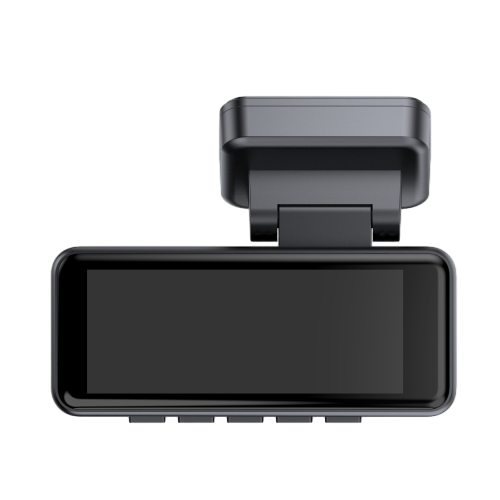
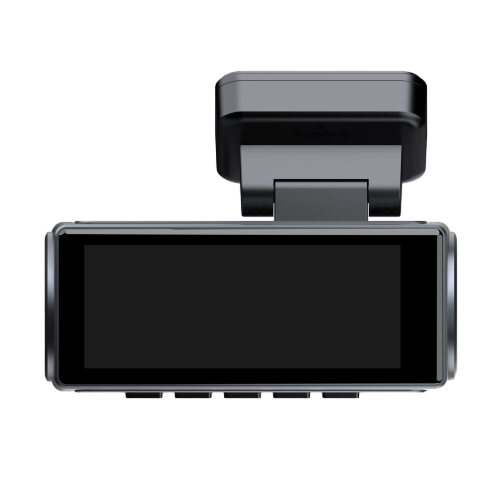

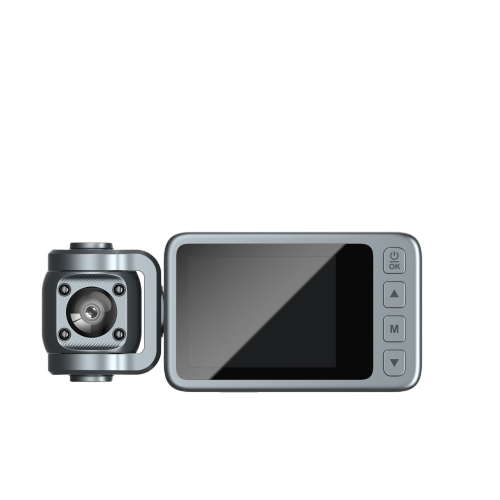
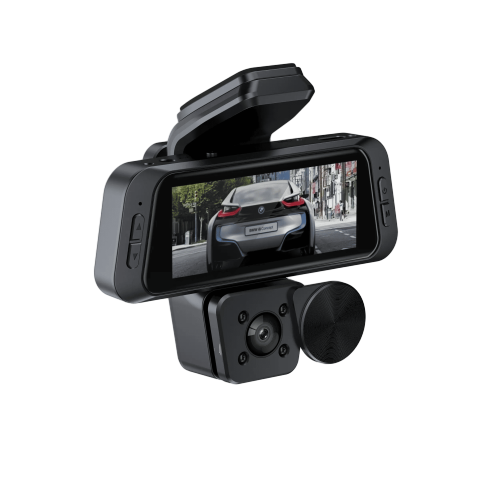

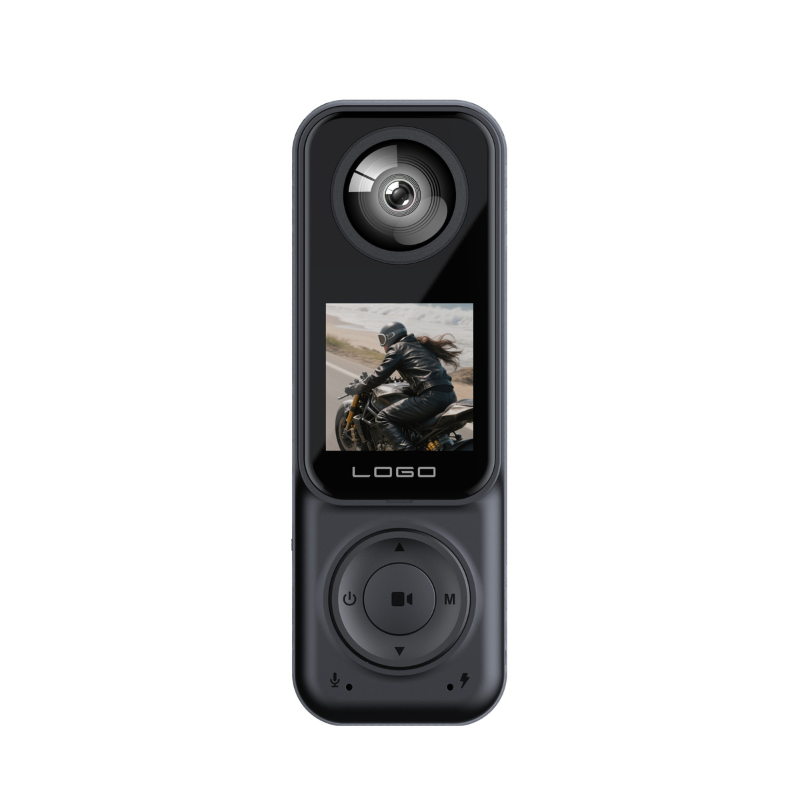
Choosing an action camera manufacturer is a product decision before it is a purchasing decision. Two suppliers can quote the same unit price and still deliver very different programs: one supports your configuration, packaging and documentation, the other ships a standard model with your logo on the box.
This guide is written for brand owners, importers and product teams assessing an action camera OEM manufacturer or action camera ODM supplier, with a framework you can apply before the first sample is approved.
Why Manufacturer Selection Matters for Action Camera Brands
The action camera category covers several products wearing one name. A camera sold for mountain biking, a wearable unit used for travel content, and a body-mounted format for fleet recording may look comparable in a catalogue photograph, yet the configuration that makes each one work is not the same.
That is why comparing suppliers on appearance and quotation alone produces expensive surprises later. Sensor choice, stabilization, lens field of view, housing design, mount compatibility and post-sale support all decide whether a program fits its market. Add customization range, quality control and repeat-order capacity, and the choice of an action camera manufacturer becomes part of the product definition.
This article works through that evaluation in project order: define the product, agree technical priorities, then judge customization, quality control and delivery.
Define Your Brand’s Action Camera Product Requirements
Before screening manufacturers, write down what you are building. Three questions cover most of it, and answering them first saves several rounds of sampling.
Target application
Is the product for outdoor sports and adventure use, for cycling and helmet mounting, for travel and vlogging, or for specialist recording such as field work, security or vehicle use? Each direction changes priority: adventure footage rewards wide lenses, cycling rewards stabilization and compact mounting, vlogging rewards screen visibility and audio quality, and specialist work rewards runtime and documentation.
Product configuration
Translate the application into specifications you can test: resolution and frame rate, whether stabilization is included, lens field of view and whether it rotates, display size and type, control layout, battery arrangement and storage support. These are the items a supplier quotes against, so ambiguity here turns into cost.
Brand positioning
Finally, fix where the product sits in your range: entry level or premium, the retail price band you must defend, whether it carries a private label or your own brand identity, and which accessories and packaging format the channel expects. Accessories are not decoration: mounts, cases and cables often decide whether a listing converts or generates returns.
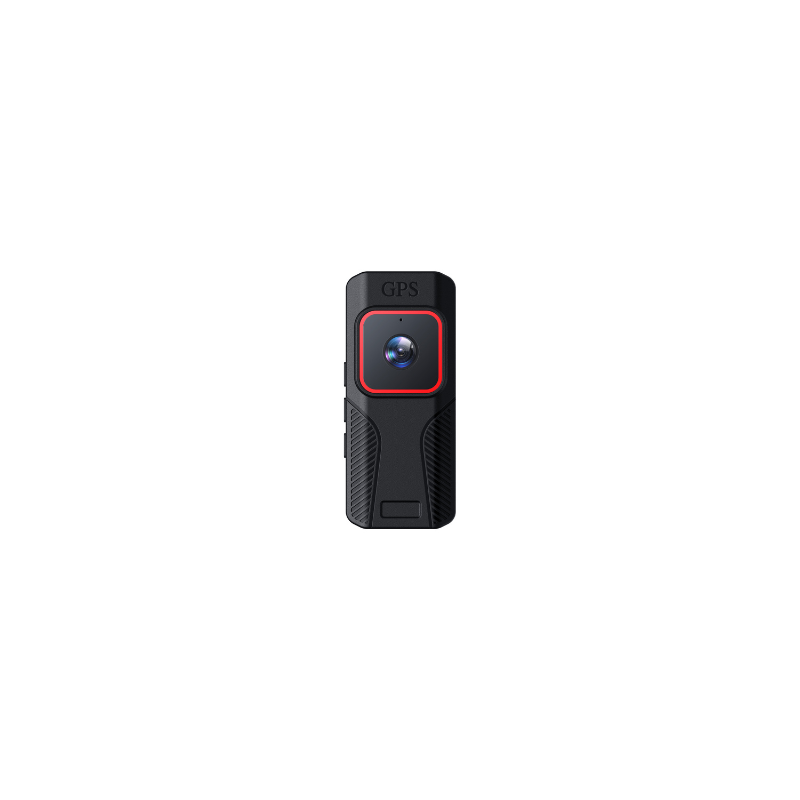
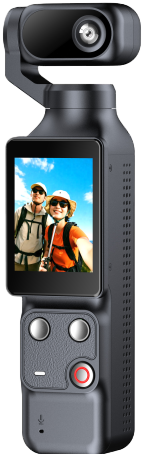
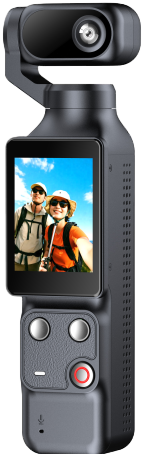
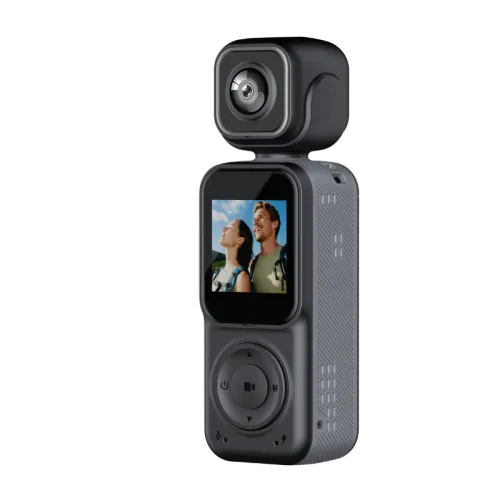
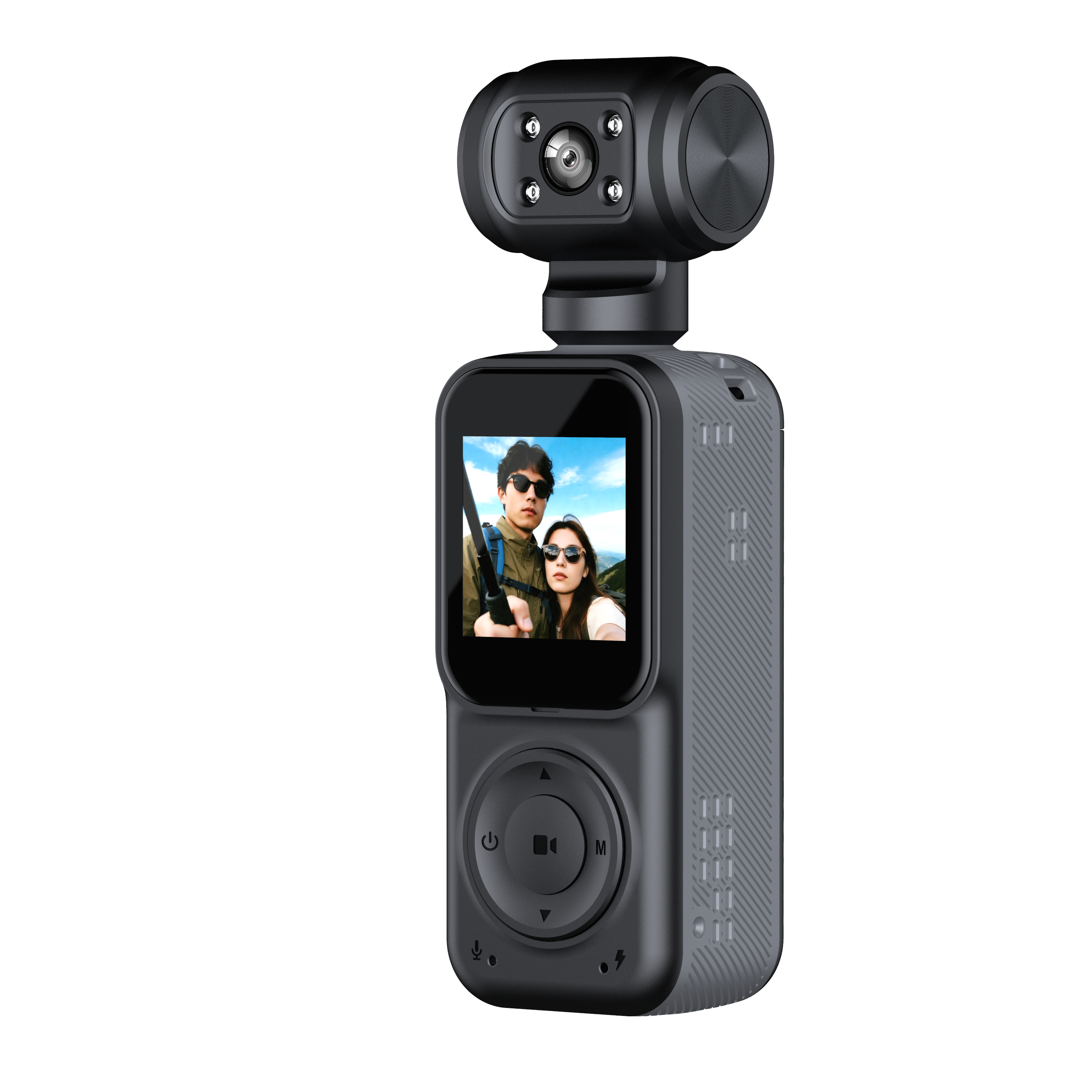
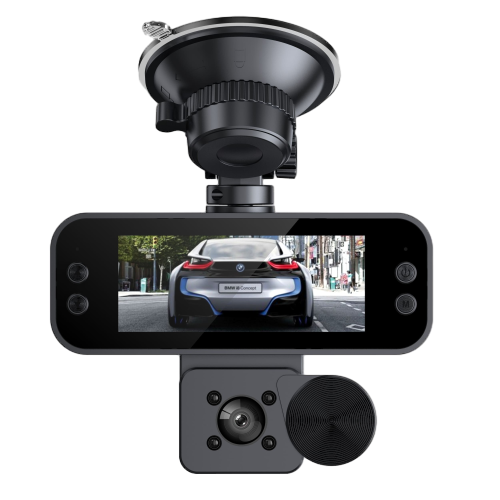
Compact wearable format — a small body that mounts easily and suits cycling, security and everyday recording.
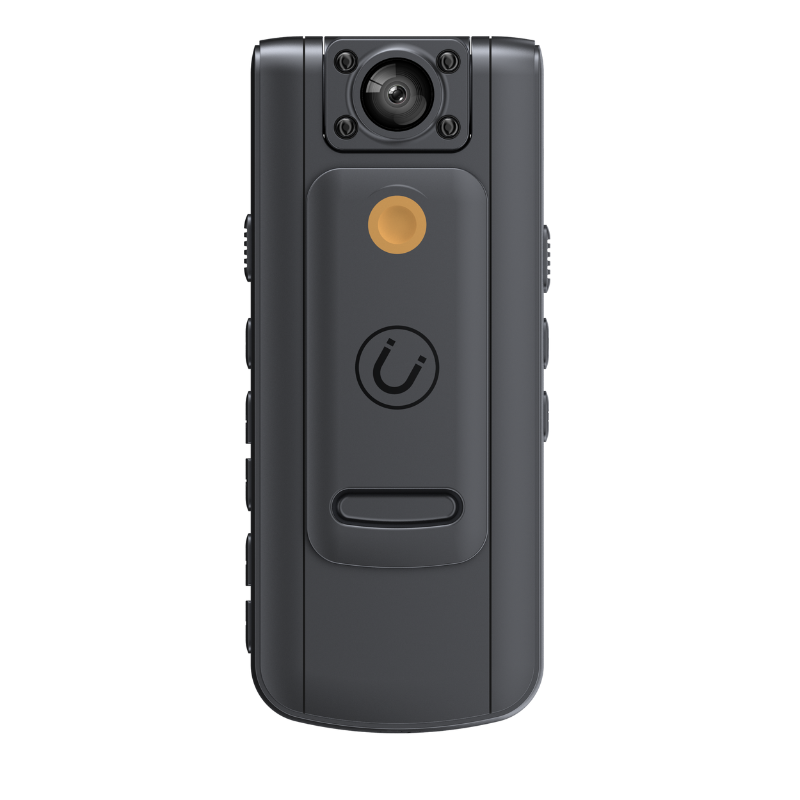
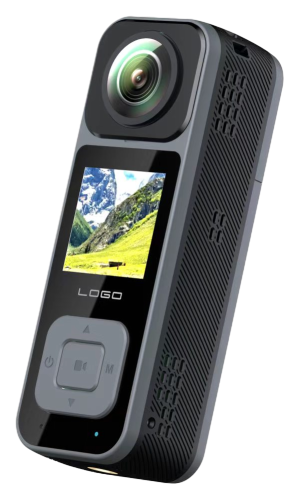
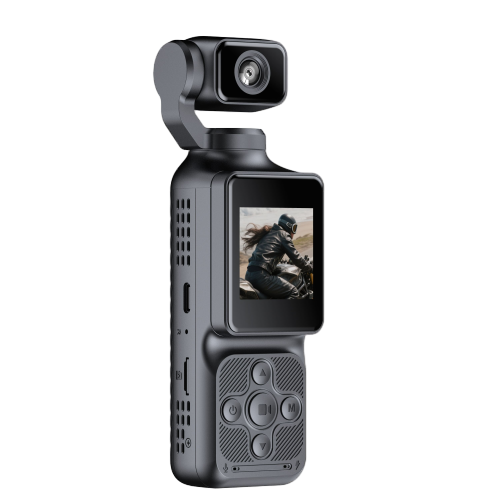
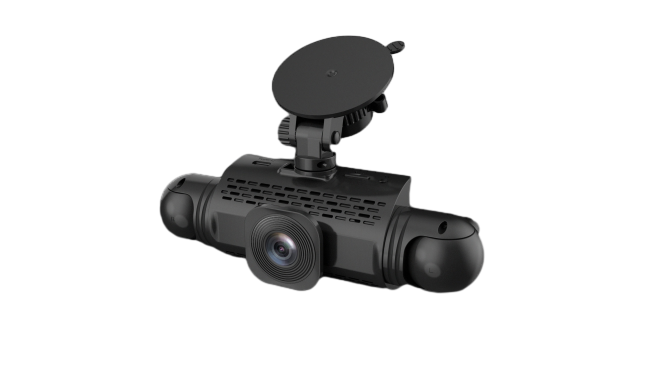
Slim body-mounted format with a chest clip — chosen when long runtime and wearable mounting matter more than a large screen.
The order matters: target markets and use cases set different requirements for configuration, cost and development scope. Define the product first, then screen manufacturers against it.
Explore Action Camera Solutions
Review the range — dual-lens and rotatable-lens models, stabilization platforms, 2K formats and long-runtime wearables — and see which configuration fits your market.
Browse Action CamerasKey Technical Features to Evaluate in a Manufacturer’s Range
Four specification areas carry most of the weight when you evaluate an action camera manufacturer for brands. The point is not to collect numbers, but to find out whether the supplier can hold them in the version you actually sell.
1. Video resolution and image quality
4K and 1080p are not simply good and better; they are different products for different buyers. 4K gives your channel a headline and headroom for cropping, while 1080p at a higher frame rate serves buyers who prioritise smooth motion and file size. Resolution also interacts with sensor and processing headroom: a modest sensor pushed to a high resolution in low light produces noise no specification sheet mentions.
Our own range shows how far the same category stretches. The Q1 records 4K (3840×2160) on both the front and rear lens, and can capture 2K + 2K simultaneously on the two lenses. The Q3 uses the same dual-lens architecture with a rotatable 130° wide-angle lens, and the Q7 and X7 are the models in the range where the frame rate is quoted directly, at 4K (3840×2160) and 30fps.
Practically, ask an action camera manufacturer for sample footage from the exact configuration you intend to sell, in the light conditions your customers use — and treat marketing clips shot in another configuration as unverified.
2. Image stabilization for action recording
Electronic Image Stabilization (EIS) is one of the most useful differences in this category, and one of the easiest to over-promise. Some models carry it; others do not, and no amount of software retouching changes that in the field. In our range, the Q7 and the X7 include electronic stabilization, while the Q1 and Q5 do not.
So the sourcing question is not “does the factory have stabilization?” but “which model carries it, and can you show me the same route with and without it?” Cycling, trail running and handheld walking expose the difference; a tripod demo never will. Test at the mounting position your customer will use: vibration through a helmet or handlebar is harder to correct than hand shake.
3. Waterproofing, durability and mounting
Water protection is the specification most often transferred between models by accident. Two approaches exist and they are not interchangeable: units rated on their own, and units that need a housing. Our Q1 platform accepts an optional waterproof housing; the Q11 and X11 carry IP65 splash, rain and dust resistance; several models are not rated for water at all.
Confirm three things in writing: whether protection is native or case-dependent, the rating and the conditions behind it, and whether the case is included. Then check housing finish, lens protection, operating temperature for cold-weather markets, and the mount interface — because mount compatibility decides whether your customers can reuse the accessories they already own.
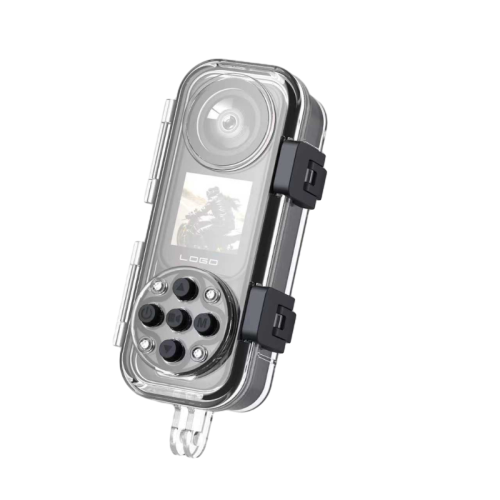
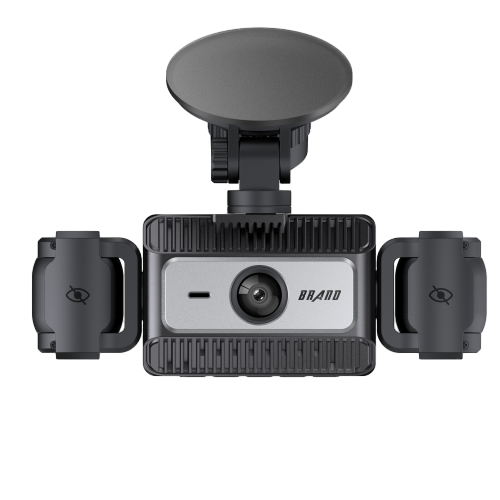
A camera inside its waterproof housing — case-based protection is a different configuration from a natively rated unit and should be specified as such.
4. Battery life and storage
Battery capacity is a headline; runtime at your settings is the number that matters. Published figures across our range are configuration-specific for that reason: the Q5 quotes up to 5–6 hours of continuous 4K recording from 2000mAh, the Q1 quotes 4–5 hours from the same capacity, the Q7 quotes 1.5–2.5 hours of 4K from 1000mAh, and the X11 quotes 8 hours of 2K recording with the screen on and 10 hours with it off.
Ask whether the battery is removable — removable cells suit markets where buyers expect a spare, while sealed designs simplify the accessory list. For storage, confirm card type and speed class, not capacity alone: our models support microSD cards from 16GB to 128GB, and an under-specified card causes complaints that look like camera faults.
Compare Available Action Camera Models
See every model’s specification side by side and match resolution, stabilization, battery and mounting to your target market.
View All ProductsHow to Evaluate OEM and ODM Capabilities
“We support OEM” is not a capability statement until it is broken into levels. Whether you need a light private-label run or a fully custom action camera, our OEM/ODM services are organised in four levels.
1. Light customization
Logo application and customized packaging on an existing platform. The fastest route to market and the level most suitable for a first private-label order; the applicable scope is confirmed per project.
2. Drawing-based customization
You supply the drawings; the structural, housing or hardware changes are implemented against them. Feasibility and development cost are confirmed before tooling begins.
3. Sample-based customization
A physical sample or reference design is refined for function, performance or fit. Useful when you know the product you want and need it adjusted rather than invented.
4. Full-scale product development
End-to-end ODM work from concept research through hardware design to manufacturing. The broadest scope, and the level that carries the longest development timeline.
Across these levels the work draws on four disciplines: R&D (concept design, prototyping, engineering consultation, certification assistance), hardware (camera module and sensor development), software (firmware, smart feature integration, app and cloud services), and packaging (appearance, structural sizing, retail packaging, manuals, accessories).
The consequence is simple: each level implies a different development time, cost and project management load. State the level you are aiming for at inquiry stage instead of asking for “OEM” and receiving an answer to a different question. It is the difference between engaging a custom action camera OEM supplier and buying a catalogue model.
Quality Control and Testing: What Buyers Should Ask
Quality control is worth discussing as a process rather than a claim. The useful question is where in the production flow the checks sit and what evidence you receive.
Ask about incoming material inspection, in-line functional testing, lens and sensor checks, battery and charging safety, waterproof verification where the model claims it, and pre-shipment inspection with batch documentation. Our product pages state function test, aging test and final inspection as the quality stages applied, with CE, FCC and RoHS listed for compliance; our company page carries the certificate gallery and our factory address so a buyer can verify the entity behind the quotation.
The gap most programs fall into is the one between approved sample and mass production. Put it in writing: which sample was approved, what the approval covered, and how consistency is checked on production units. A practical question to add to your checklist is this — can the manufacturer provide a product testing checklist and a sample approval process before mass production? A supplier who answers with a document rather than a sentence is easier to work with at volume.
Compare Manufacturers Against Your Project Requirements
Rather than ranking suppliers, score them against your own brief. Use the table below as a checklist to send to several candidates and compare answers side by side.
| Evaluation area | What to confirm |
|---|---|
| Product fit | Does the existing range contain a configuration close to your target market, or does it require development? |
| Technical capability | Can the supplier meet your resolution, frame rate, lens and stabilization requirements in the version you will sell? |
| Customization | Logo, packaging, hardware and software scope — and which of the four levels it sits in. |
| Sample process | How many sample rounds are included, what can be changed between them, and who signs off the final version. |
| Quality control | Test stages, inspection criteria, and the documentation supplied with each shipment. |
| Production | Capacity for repeat orders, production timeline, minimum order quantity and the trade terms offered. |
| Support | Technical assistance, after-sales handling, firmware guidance and the product documentation you can reuse in listings. |
Two rows usually decide the outcome: sample process shows how the supplier behaves when something is not right yet, and support shows what happens after the container arrives. Neither appears on a price list; both show up in your return rate.
Discuss Your Private-Label Camera Project
Share your target market, intended configuration and customization level. Our team will review it against the available platforms and come back with options.
Talk to Our OEM/ODM TeamWhy Consider Yuaoheng as Your Action Camera OEM/ODM Partner
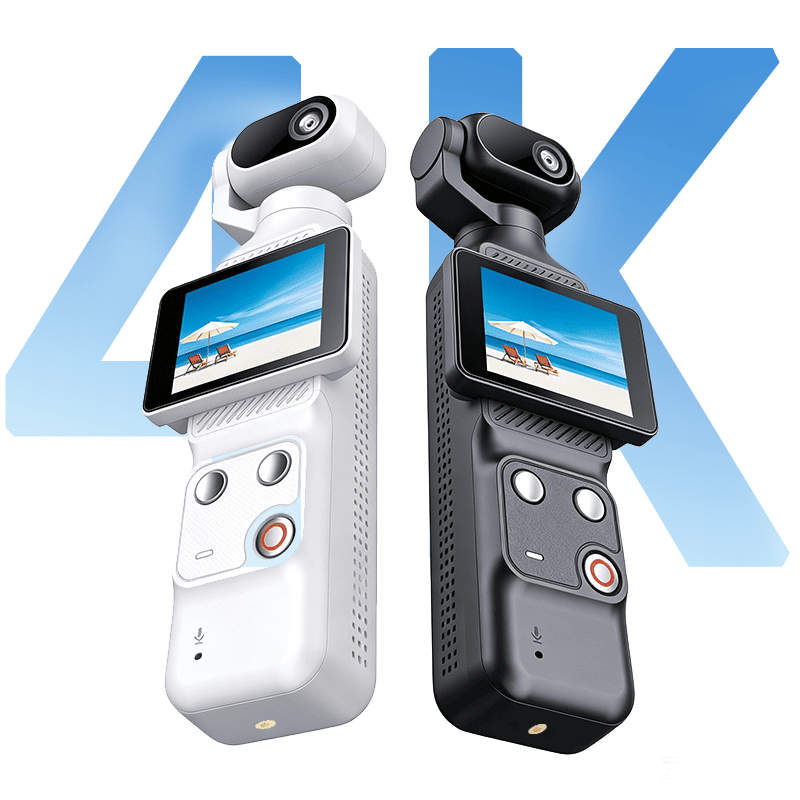
As a sports camera manufacturer, Yuaoheng provides action camera solutions and OEM/ODM customization services for brands developing products for different outdoor and recording applications. The value for a buyer is breadth inside one supplier: a range that already spans dual-lens 4K models such as the Q1, single-lens 4K platforms such as the Q5, stabilised 4K models such as the Q7 and X7, 2K wearable formats such as the Q11 and X11, and compact 2K formats such as the L11 and X20.
Around that range sit the four customization levels described above, functional scope covering R&D, hardware, software and packaging, and an OEM/ODM process running from concept and prototyping to mass production. If your brief calls for a private label action camera manufacturer rather than a catalogue purchase, scope is confirmed against the model you select instead of assumed across the range.
On the commercial side, our product pages list a minimum order quantity from 50–100 pcs on standard products, customization across logo, packaging, accessories and manual, and trade terms of EXW, FOB Shenzhen, CIF or DDP. Our partnership page describes a presence in more than 50 active countries, dedicated account and engineering access with a response window measured in global business hours, and a marketing asset library covering 4K cinematography, technical documentation and regional marketing kits. Manufacturing sits in Dongguan, Guangdong.
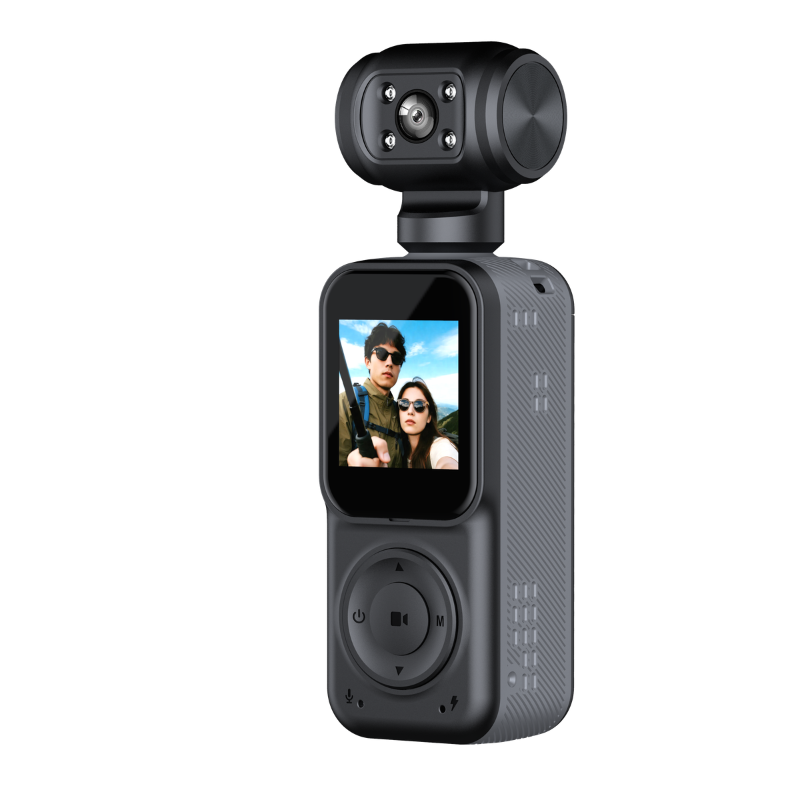
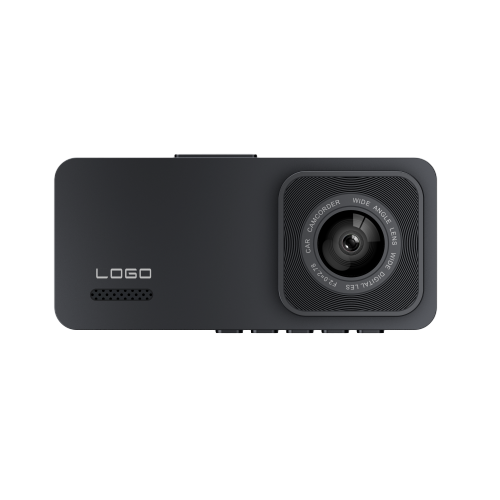
One platform, several positions: the Q5 pairs a 4K sensor with a 2000mAh battery quoted at 5–6 hours, so the same architecture can serve different price bands.
Questions to Ask Before Partnering With a Manufacturer
Ten questions worth putting in writing at the start of a project. Answers should refer to the model you intend to buy, not the category in general.
What configurations does the manufacturer offer?
Dual-lens 4K, single 4K, 2K and 1080p platforms with different display, battery and mounting arrangements.
Is private label available?
Yes. A private label action camera program normally starts at the light customization level with logo and packaging, then extends as the project requires.
Which customization levels are supported?
Four: light customization, drawing-based, sample-based and full-scale development. The applicable level is confirmed against the chosen model.
Can samples be provided?
Sample units can be arranged so you can test footage, stabilization, mounting and runtime before committing to a program.
How are image quality and stabilization tested?
Insist on footage from the configuration you will sell, in comparable light, and for stabilization at the mounting position your customers use.
Which waterproofing specification applies?
It varies by model: case-dependent protection such as 30m with an included housing, native IP65 resistance, or no water rating at all.
What packaging and branding options exist?
Appearance design, retail packaging, manuals and accessory design sit alongside logo and accessory customization.
How is quality controlled before shipment?
Function test, aging test and final inspection are the stated stages; ask for the criteria and the batch documentation.
What documentation comes with the product?
CE, FCC and RoHS are listed, with technical documentation available; confirm which certificates apply to your configuration and market.
How do buyers submit requirements?
Send your target market, configuration, quantity band and customization level through our contact form; the team will evaluate it against the range.
“A supplier list is easy to build and hard to shorten. Screen candidates against your own specification, not against a price per unit — the lowest quotation and the lowest program cost are rarely the same number.”
Start Your Action Camera OEM/ODM Project
Three steps decide most programs: define the product against your target market, compare technical capability, quality control and customization scope on equal terms, and choose a manufacturer that can discuss development requirements and support the product after delivery.
Looking for a reliable action camera manufacturer for your brand? Contact Yuaoheng to discuss your product requirements, OEM/ODM options and next steps.
.jpg?imageMogr2/format/webp)