.png?imageMogr2/format/webp)







When shopping for an action camera, 4K sounds like the obvious choice. But is the extra resolution something you will actually notice — or use?
For some riders, travelers and creators, 4K is absolutely worth it. For others, 2K delivers a better balance of image detail, storage, battery life and overall practicality. This guide walks through where the difference actually shows up in real footage, so you can match the resolution to the way you shoot — not just the number on the spec sheet.
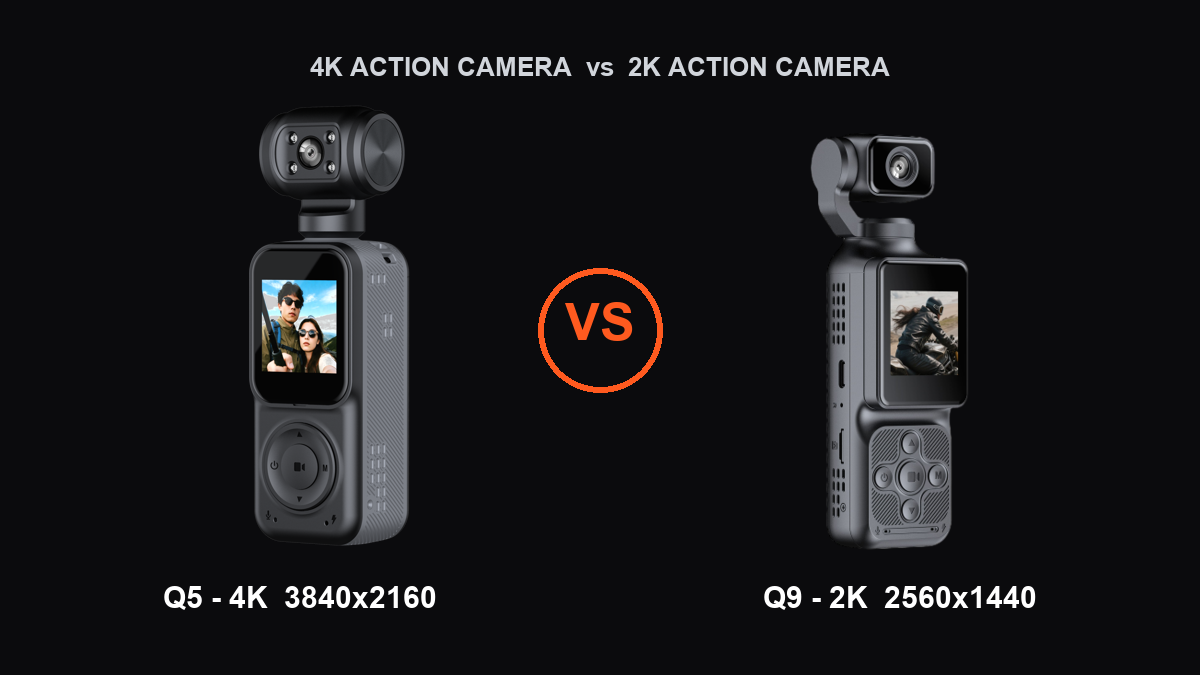
4K vs 2K: What Is the Actual Difference?
On paper, the difference comes down to pixel count. A 4K action camera records at 3840 × 2160 — around 8.3 million pixels per frame. A 2K model records at 2560 × 1440, roughly 3.7 million pixels. In practical terms, 4K captures a little over twice the pixel data of 2K, which translates into more fine detail in every frame.
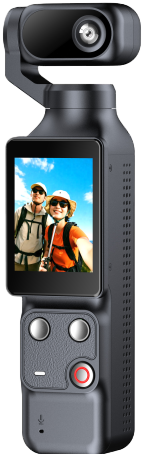
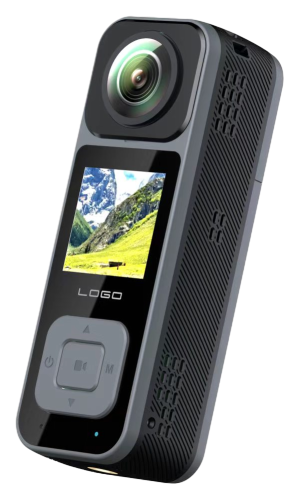
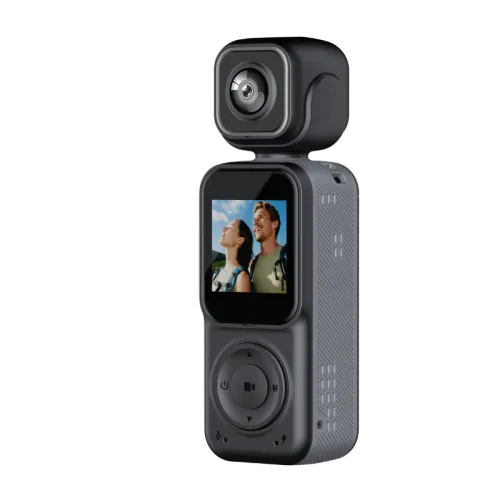
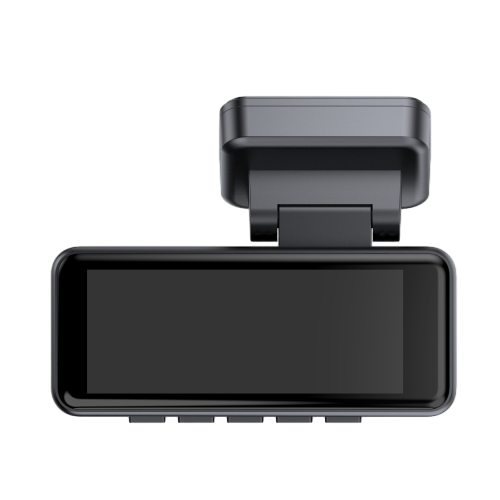
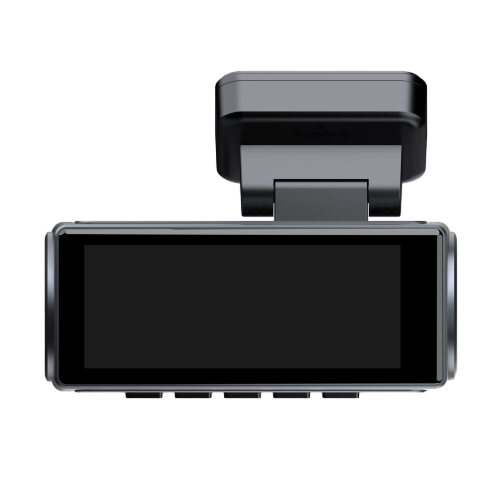
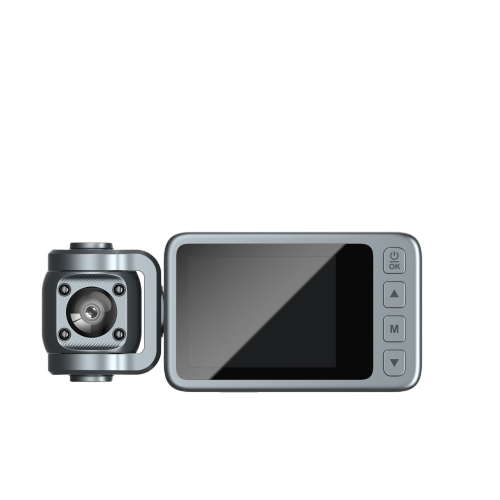
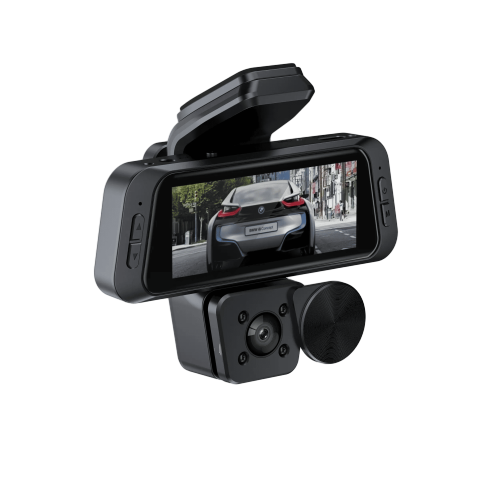
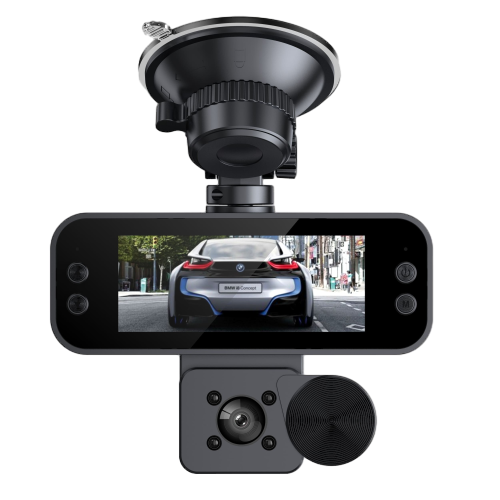
To make this concrete: the Yuaoheng Q5 records 4K video at 3840 × 2160 at 30fps, while the Yuaoheng Q9 records 2K at 2560 × 1440 at 30fps. Both use a 1.5-inch screen, both support Wi-Fi, and both are rated for 5–6 hours of continuous recording. The main difference between them is resolution, which makes them a useful reference point when comparing the two formats.
| Factor | 2K Action Camera | 4K Action Camera |
|---|---|---|
| Resolution | 2560 × 1440 | 3840 × 2160 |
| Image detail | High | Higher |
| File size | Generally lower | Generally higher |
| Storage demand | Lower | Higher |
| Cropping flexibility | Good | Better |
| Large-screen viewing | Good | Better |
| Editing flexibility | Good | Better |
| Best for | Everyday recording | High-detail capture |
A quick note on how these numbers feel in practice: pixel count is not the same as perceived quality. More pixels give a camera the potential for more detail, but how much of that detail survives to your final video depends on everything else in the imaging chain — which is exactly what the next section covers.
Does 4K Always Look Better Than 2K?
Not necessarily. Resolution is only one part of image quality.
How clean your footage actually looks also depends on the image sensor, lens quality, image processing, bitrate, frame rate, stabilization and — above all — lighting. A well-designed 2K camera with a good sensor and sensible processing can produce more watchable footage than a poorly implemented 4K model, especially in challenging light.
Bitrate deserves a specific mention. Two cameras can both record “4K,” but if one compresses the video at a low bitrate, much of the fine detail the sensor captures is discarded before you ever see it. Perceived sharpness comes from the whole imaging chain, not the resolution label alone.
"Resolution tells you how many pixels a camera records. The sensor, lens and processing decide how good those pixels actually are."
If you want a deeper dive into resolution, frame rates and specifications for outdoor shooting, our 4K Action Camera Guide covers those topics in detail. This article stays focused on the decision itself: 4K or 2K.
When Is a 4K Action Camera Worth It?
Outdoor Adventure and Travel
Hiking, mountain biking, motorcycle riding, skiing and scenic travel all share one trait: a lot happens across a wide frame, and much of it is far from the lens. Mountain ridgelines, trail signs, distant riders, wildlife — these subjects occupy a small part of the image, so they benefit most from extra pixels. When you replay the footage, 4K gives you a better chance of seeing what was actually out there.
Large-Screen Viewing
The bigger the screen, the more visible the difference. On a 4K TV or a large monitor, 4K footage holds up frame after frame, while 2K starts to show its limits when you lean in. If your videos are mainly watched on a phone, this advantage shrinks considerably; if they end up on a living-room screen or a projector, it becomes one of the strongest reasons to choose 4K.
Cropping and Reframing
One of the most underrated advantages of 4K is what it lets you do after recording. Because a 4K frame carries more than twice the pixels of 2K, you can crop into the footage — zooming in on a rider, a trail feature or a passing view — and still be left with a sharp, full-HD-grade clip. If you have ever wished for a second camera angle from a single shot, this is where 4K quietly pays off.
Content Creation
For YouTubers, travel creators and anyone who edits video regularly, 4K is less about sharpness on upload day and more about flexibility in the editing timeline. Extra resolution gives you room to reframe shots, correct a slightly crooked horizon, punch in for emphasis and still deliver a clean final export. If video is part of your work or growing channel, that headroom is worth having.
When Is a 2K Action Camera Enough?
Everyday Recording
Cycling to work, weekend family trips, casual rides and daily outdoor recording usually end up as memories, not cinematic productions. For this kind of footage, 2K keeps detail comfortably ahead of 1080p while keeping files easier to live with. You still capture license-plate-level detail up close, faces and scenery read clearly, and nothing about the experience feels compromised.
Social Media Sharing
If your final destination is a phone screen — Instagram, Facebook, TikTok or a messaging app — it helps to know that these platforms compress uploads heavily before anyone sees them. That compression narrows the visible gap between 2K and 4K. In other words, if your final viewing format is mostly mobile or compressed social video, the practical advantage of 4K may be less noticeable. 2K still leaves you with plenty of detail after the platform has done its work.
Long Recording Sessions
All-day rides, delivery shifts and dashcam-style documentation favor endurance over maximum resolution. Lower-resolution files mean your memory card fills more slowly, there are fewer interruptions to swap or offload storage, and backing up at the end of the day takes less time. For recording sessions measured in hours rather than minutes, that difference adds up quickly.
4K vs 2K: What About Storage and Battery?
Storage
4K recording generally requires more storage space than 2K, but the actual file size depends on bitrate, codec, frame rate and compression settings — not resolution alone. A high-bitrate 2K camera can produce larger files than a heavily compressed 4K one, so it is worth checking recording settings rather than assuming.
At 128GB — the maximum card size supported by both the Q5 and Q9 — a 2K camera simply records for longer before the card fills up. 4K files also take longer to transfer and back up, which matters if you record daily. The practical habit either way is the same: offload footage regularly and keep a spare high-endurance microSD card on hand.
Battery
Higher-resolution recording can increase processing and storage demands, but real battery life depends on the camera’s hardware, battery capacity, recording settings, screen use and Wi-Fi. There is no fixed rule that 4K always drains the battery dramatically faster.
Yuaoheng’s Q5 and Q9 illustrate this well: both are rated for approximately 5–6 hours of continuous recording under their specified conditions, with the Q5 using a 2000mAh polymer battery and the Q9 a 2000mAh 18650 lithium battery. The resolution difference does not change that rating — both are built to get through a long day of recording on a single charge.
What Else Matters Besides Resolution?
Image Sensor
The sensor is where light becomes data. A larger or better-quality sensor gathers more light and handles contrast more gracefully, which shows up most in shade, overcast skies and dusk riding. Between two cameras at the same resolution, the one with the better sensor will usually produce the cleaner footage.
Lens Quality
A sharp lens determines how much of the sensor’s potential actually reaches your video. Wide-angle lenses are essential for action cameras, but a poorly corrected one can bend straight lines and soften edges. Good glass and good distortion control matter just as much as the resolution printed on the box.
Image Processing
Processing ties everything together: noise reduction, color handling and exposure decisions happen inside the camera, frame after frame. Two cameras with identical sensors and lenses can look noticeably different purely because of how well their processing is tuned.
Stabilization
On bumpy trails and rough roads, stabilization is often the difference between footage people watch and footage people skip. Electronic stabilization smooths vibration so your video feels intentional rather than chaotic. If you ride on rough terrain, it is worth checking how a camera handles shake before you buy — regardless of its resolution.
Lighting Conditions
Night is the hardest test for any action camera, and no resolution setting rescues a dark scene on its own. Dedicated illumination does. That is why both the Q5 and Q9 include built-in night-assist lighting — the Q5 uses four enhanced infrared lights, while the Q9 uses four enhanced white fill lights — because sensor sensitivity and lighting, not pixel count, decide what night footage looks like.
For a broader look at what separates a good action camera from a mediocre one — beyond resolution — see our guide to action and sports camera features.
4K or 2K: Which One Is Right for You?
| Your Use Case | Recommended Resolution | Why |
|---|---|---|
| Casual daily recording | 2K | Good detail with manageable storage |
| Cycling | 2K or 4K | Depends on editing and viewing habits |
| Motorcycle riding | 2K or 4K | 4K helps with distant detail and cropping |
| Travel videos | 4K | More detail for large screens and editing |
| YouTube / content creation | 4K | More flexibility in post-production |
| Social media clips | 2K or 4K | Depends on your workflow |
| Long recording sessions | 2K | Lower storage demand over long sessions |
| Professional content | 4K | More detail and editing flexibility |
Treat this table as a decision aid, not a rulebook. The right answer depends on how you shoot, where you watch and how much post-production you actually do — three things only you can weigh.
Real-World Examples: Yuaoheng Q5 and Q9
Specs are easier to judge with real cameras. Both of the models below are part of our action camera lineup, and each represents one side of this decision.
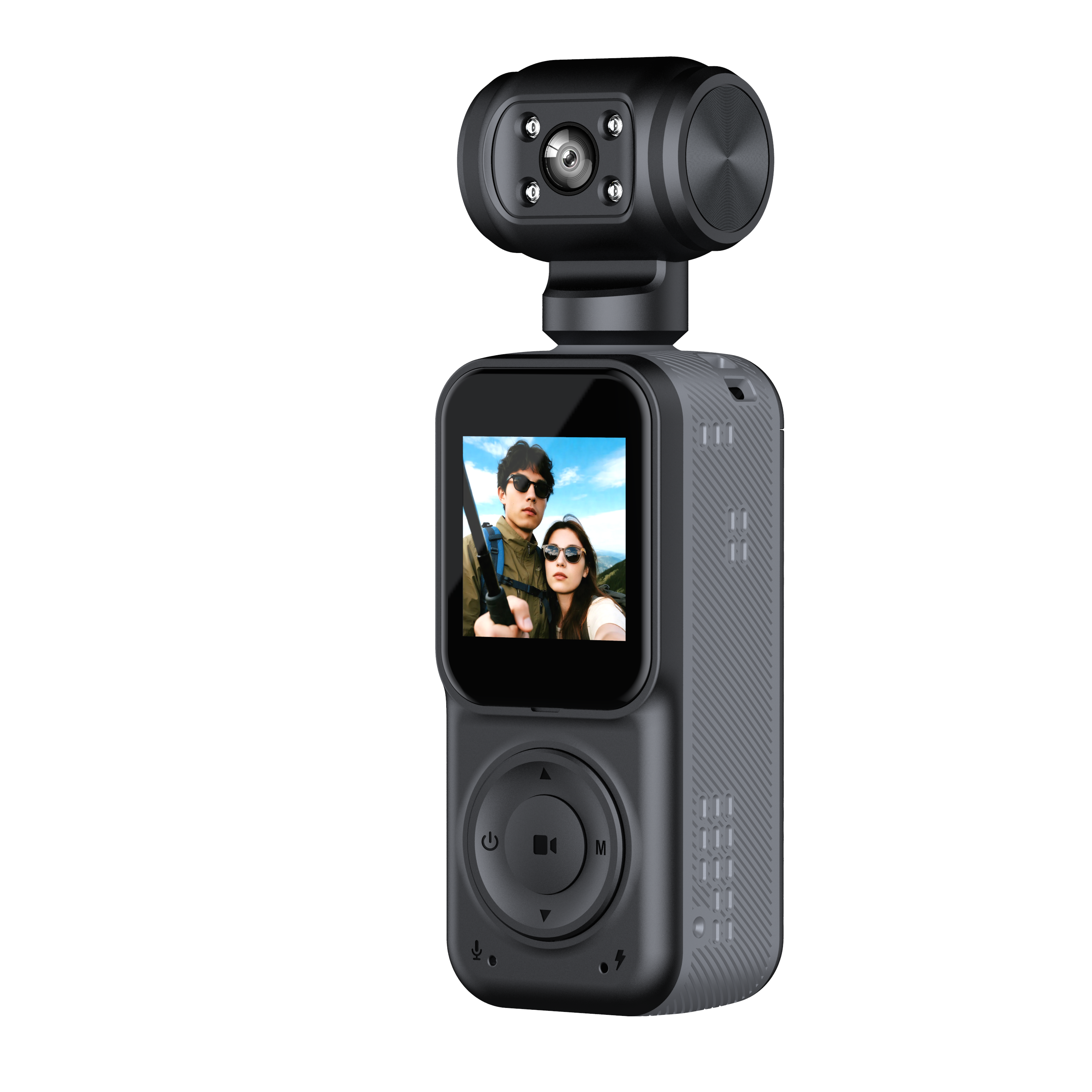
Yuaoheng Q5 — 4K
- 4K (3840×2160) video at 30fps
- 130° wide-angle rotatable lens
- 4 enhanced infrared lights for night vision, with manual switch
- 2000mAh polymer battery, rated for 5–6 hours of continuous recording
- Wi-Fi with app control
- microSD card support up to 128GB
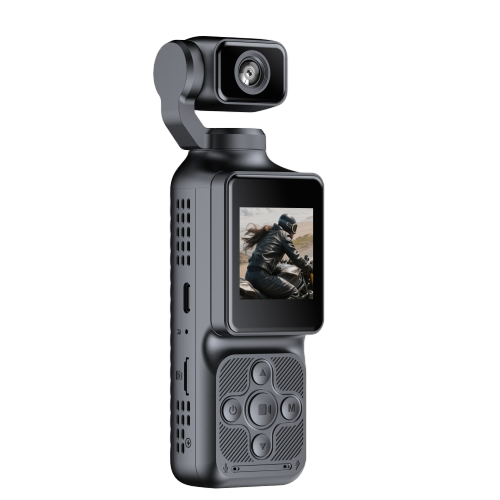
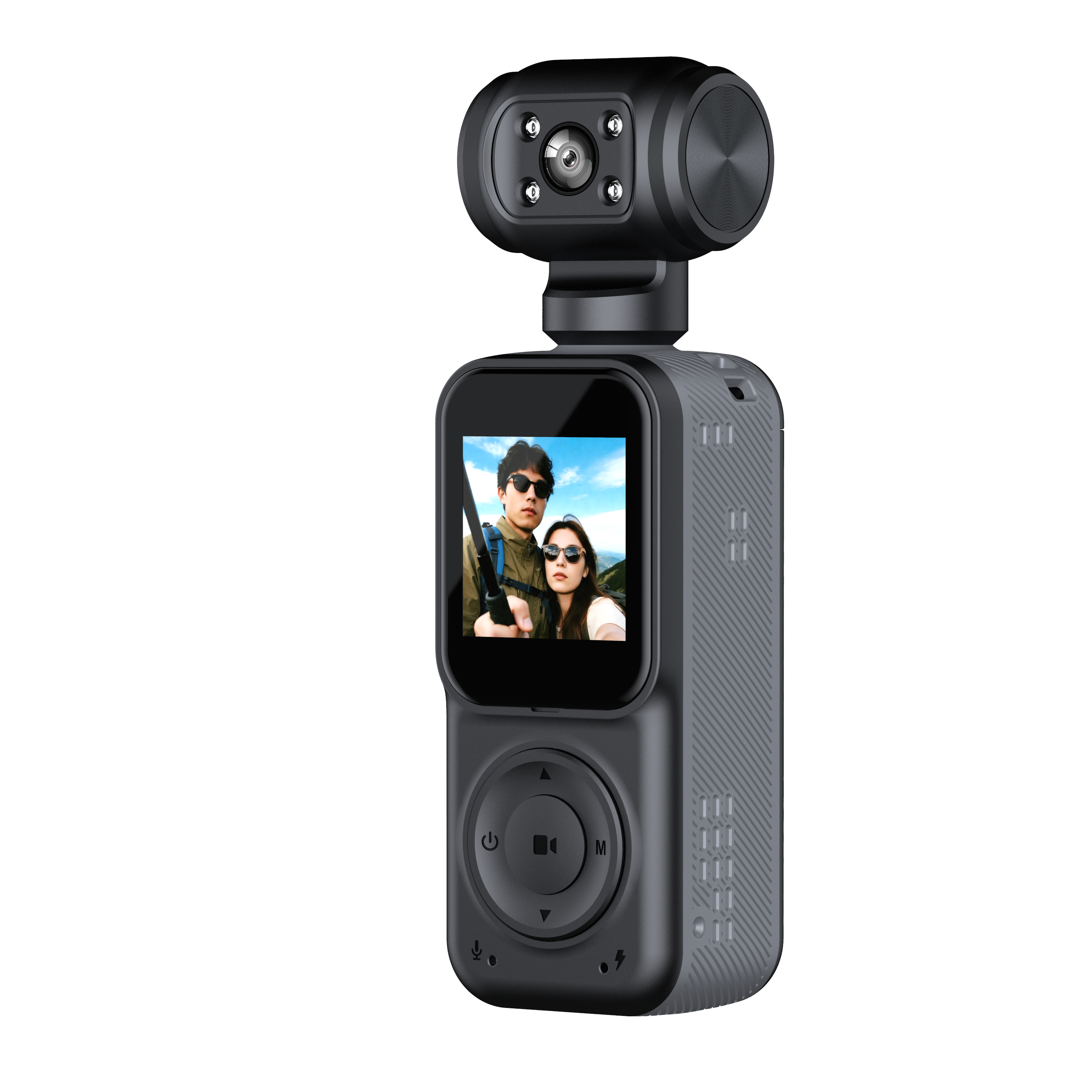
Yuaoheng Q9 — 2K
- 2K (2560×1440) video at 30fps
- 135° wide-angle lens with 270° rotation
- 4 enhanced white fill lights for low-light recording, with manual switch
- 2000mAh 18650 lithium battery, rated for 5–6 hours of continuous recording
- Wi-Fi with app control
- microSD card support up to 128GB
The Q5 is a practical example of a 4K action camera designed for users who prioritize higher resolution and maximum detail, while the Q9 shows how 2K can combine solid image quality with flexible framing — its 270° rotating lens lets you switch between forward-facing and selfie-style angles without moving the mount. Neither is simply “the better camera”; they are built around different priorities, and the right one depends on which priority matches yours.
If you are a distributor, retailer or brand owner planning your own action camera line, we also provide OEM and ODM customization — from hardware configuration and firmware to branding and packaging.
Frequently Asked Questions
Is 4K worth it for an action camera?
It is, if you regularly crop footage, edit videos, watch on large screens or shoot distant subjects. If you mainly record everyday clips for phone viewing, the extra detail may not justify the larger files. Judge it by how you use footage, not by the resolution number alone.
Is 2K good enough for an action camera?
For most everyday recording, yes. 2K (2560×1440) sits clearly above 1080p in detail while keeping files and storage demands moderate. It is a strong fit for commuting, family trips, social sharing and long sessions.
Is 4K better than 2K for YouTube?
Usually, yes — not because YouTube requires 4K, but because editing in 4K gives you room to reframe, stabilize and crop while still delivering a sharp final export. If you publish polished, edited videos, 4K is the more flexible master format.
Does 4K use more storage than 2K?
Generally, yes, but the exact file size depends on bitrate, codec, frame rate and compression settings. Two 4K cameras can produce very different file sizes. Plan your microSD capacity and backup routine around actual recording settings.
Does 4K action camera footage look better at night?
Not automatically. Night performance depends far more on the image sensor, lens and — crucially — dedicated lighting. Both the Q5 and Q9 address this with built-in assist lights (infrared on the Q5, white fill lights on the Q9), which do more for usable night footage than resolution alone.
Conclusion
So, is 4K really worth it? 4K is worth it when you can actually use the extra detail — for cropping, editing, large-screen viewing or content that needs to hold up in post-production. If you mainly need reliable, detailed everyday footage without large files, 2K can be a very practical choice, and you will feel the difference every time you offload a memory card.
Choosing the right resolution is only the first step. Frame rates, lens angle, night recording, stabilization and mounting options all shape the final result — and the right combination depends on where and how you ride, travel and create. Browse our full action camera range to compare models side by side and find the one that matches the way you shoot.
.jpg?imageMogr2/format/webp)